Quick Answer
Día de los Muertos in San Miguel de Allende is a two-day celebration of remembrance held every November 1 and November 2, with public programming running from October 31 through November 2. In 2026 the official municipal program ran October 31 to November 2, La Calaca Festival ran October 30 to November 2, and the headline Desfile de Muertos y Catrinas (Catrina parade) stepped off on Monday, November 2 at 5:00 p.m., walking from El Cardo to the Jardín Principal. The best way to experience it is to walk the ofrenda route through Centro, visit the Panteón de Guadalupe in the morning, and take a place along the parade route by 4:30 p.m. — and to remember that this is a family remembrance tradition first and a public festival second.
What Is Día de los Muertos?
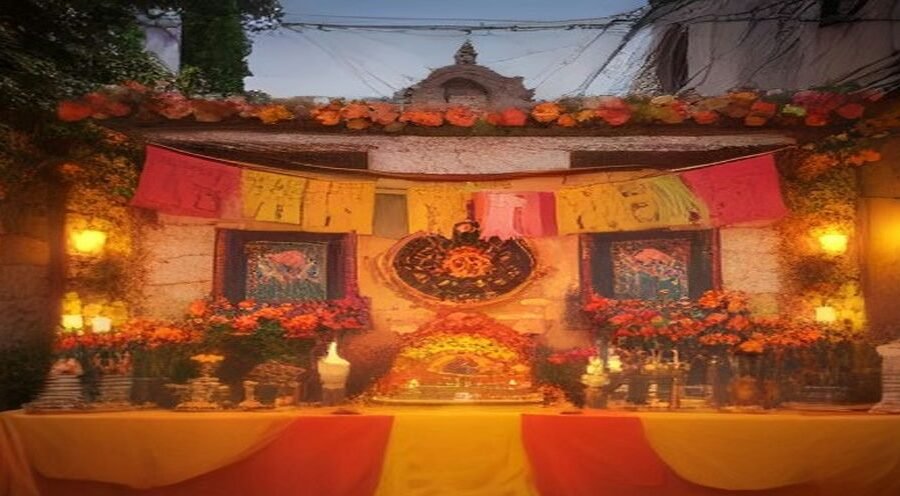
Día de los Muertos, or Day of the Dead, is a Mexican tradition dedicated to remembering and honoring loved ones who have died. Families build ofrendas — altars decorated with photographs, candles, marigolds, food, drink, and personal items that belonged to the person being remembered. The belief is that during these two days, the souls of the departed return to visit the living, guided home by the scent and color of marigolds and the light of candles.
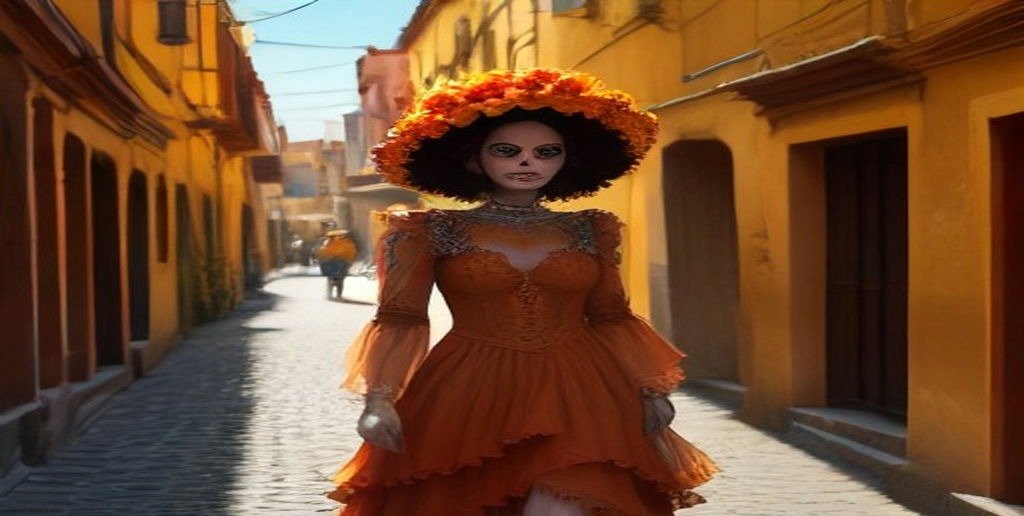
It is not Mexican Halloween. That distinction matters more in San Miguel de Allende than almost anywhere else in Mexico, because the town draws thousands of visitors for the holiday and the line between respectful participation and costume-party tourism gets tested every year. There is nothing spooky about Día de Muertos. It is warm, funny, musical, and deeply personal — families talk to their dead, share their favorite meals with them, and laugh at the skulls and skeletons that decorate the town. La Catrina, the elegantly dressed female skeleton in a wide-brimmed hat, is the holiday’s most recognizable image. She was created by the Mexican printmaker José Guadalupe Posada as a satire of the wealthy, and she has become a symbol of the holiday’s central joke: death treats everyone the same.
The Two Days, Explained
The holiday has a fixed structure, and knowing it changes how you plan your visit.
| Day | Name | Who Is Honored | What Happens |
|---|---|---|---|
| November 1 | Día de los Angelitos (Day of the Little Angels) | Deceased children | Families honor children who died young; smaller, sweeter ofrendas with toys, candy, and sugar skulls |
| November 2 | Día de los Difuntos (Day of the Deceased) | Deceased adults | The main day; altars reach their full elaboration, cemeteries fill with families, and the Catrina parade closes the celebration |
In practice, San Miguel’s public programming starts before November 1. The 2026 ritual calendar ran from October 26 to November 3, with workshops, exhibitions, and performances building through the week and the biggest crowds arriving for the October 31 to November 2 weekend. If you can only be there for one day, make it November 2.
When Is Día de los Muertos in San Miguel de Allende?
The core dates never move: November 1 and November 2 every year. The 2026 celebration fell on a Sunday and Monday, and the city stretched its official program across the weekend — Saturday, October 31 through Monday, November 2 — so visitors could catch the full arc in one trip.
| Event | 2026 Dates |
|---|---|
| La Calaca Festival | October 30 – November 2 |
| Official municipal program | October 31 – November 2 |
| Día de los Angelitos (children) | November 1 |
| Día de los Difuntos (adults) | November 2 |
| Desfile de Muertos y Catrinas | Monday, November 2, 5:00 p.m. |
| Ritual calendar (workshops, exhibitions) | October 26 – November 3 |
For 2027, expect the same pattern: programming building from late October, the main public events across the October 30 to November 2 window, and the two core days on November 1 and 2. The exact municipal schedule is confirmed each year in October, so check the official program before booking flights — but the shape of the celebration is stable, and this guide is built around the verified 2026 program.
The 2026 Program at a Glance
San Miguel’s Día de Muertos is really three overlapping celebrations: the old family tradition in the barrios and cemeteries, the La Calaca Festival’s arts program, and the city’s official municipal program. Here is how the week unfolded in 2026.
| Dates | What Was Happening | Where |
|---|---|---|
| October 26–29 | Ritual calendar opens: workshops, exhibitions, talks, gallery openings | Centro, Casa de la Cultura, Biblioteca Municipal |
| October 30 – November 2 | La Calaca Festival: multidisciplinary arts, music, performance, workshops | Historic center, Parque Juárez |
| October 31 | Municipal program begins; ofrenda exhibition opens in the Jardín Principal | Jardín Principal |
| November 1 | Día de los Angelitos; Rancho Los Labradores Catrina Parade (running since 2001) | Panteón de Guadalupe, Rancho Los Labradores |
| November 2, 5:00 p.m. | Desfile de Muertos y Catrinas — the main parade | El Cardo → Jardín Principal |
| November 2, evening | Artistic presentations and closing events | Jardín Principal |
The municipal program concentrates most activities around four places: the Jardín Principal, Casa de la Cultura, the Biblioteca Municipal, and the San Antonio Abad area. If you base yourself in Centro, you can walk to nearly everything.
La Calaca Festival
La Calaca is the festival that turned San Miguel’s Día de Muertos from a local family observance into something visitors could join rather than just watch. It began in 2012 as a small festival with exactly that goal, and it has grown into the holiday’s umbrella cultural program — a series of workshops, performances, art installations, talks, parades, and gallery openings built around the themes of life, death, and remembrance.
In 2026, La Calaca ran from October 30 through November 2, with activities centered on the historic center and Parque Juárez. Its program changes every year, and the detailed schedule is usually published only a few weeks before the festival, so treat La Calaca as the reason to arrive a day or two early: the workshops (papel picado cutting, sugar skull decorating, altar building) are the best way to understand what you are looking at when the main days arrive, and they are also the most hands-on part of the whole week. Book workshops when they are announced — the popular ones fill up.
The Desfile de Muertos y Catrinas: The Parade
The parade is the single event most visitors plan their trip around, and it deserves the planning. The Desfile de Muertos y Catrinas is the city’s official parade, and in 2026 it stepped off on Monday, November 2 at 5:00 p.m., walking from El Cardo to the Jardín Principal through Centro.
One Time Discrepancy Worth Knowing
If you research this parade online, you will find one local guide listing a 6:00 p.m. start. The 2026 municipal program and the two most recently updated San Miguel guides both confirm 5:00 p.m. as the official start time, with the Jardín filling by 5:30. The practical advice is the same either way: be in position by 4:30 p.m. The route is short, the streets are narrow, and the front rows fill fast. Arriving at the published start time means watching from three people deep.
How to Watch the Parade Well
- Pick the Jardín end, not the El Cardo end. The parade finishes in the Jardín Principal, where the evening artistic program follows. You get the parade and the closing events from one spot.
- Stand on the uphill side of the route. The light is better for photographs in the late afternoon, and you are looking down the street as the Catrinas approach.
- Do not walk with the parade unless you are in it. The route is a procession, not a street party, and stepping into it blocks the performers and the families behind them.
- Catrina makeup is everywhere and it is meant to be photographed — the participants expect it. Ask before photographing children in makeup, and never touch anyone’s costume or face paint.
- Bring cash. Street vendors along the route sell marigolds, pan de muerto, and drinks, and most do not take cards.
The Rancho Los Labradores community has organized its own Catrinas parade since 2001, traditionally on November 1. It is smaller and more neighborhood in character than the municipal parade, and it is worth seeking out if you want to see the tradition as the barrios practice it rather than as the city stages it.
Ofrendas: Where to See Them and What They Mean
The ofrenda is the heart of Día de Muertos, and San Miguel is one of the best places in Mexico to see them because the town displays them in public as well as in private homes. The Jardín Principal hosts a public ofrenda exhibition, and restaurants, hotels, shops, and galleries throughout Centro build their own. The families of the old barrios have carried cempasúchil — marigolds — to the Panteón de Guadalupe for generations, and the cemetery altars are the most moving of all.
What Each Element Means
Every item on an ofrenda has a job. Knowing the meanings turns a pretty display into something you can actually read.
| Element | Meaning | What to Look For |
|---|---|---|
| Marigolds (cempasúchil) | Their color and scent guide souls home | Petals scattered as a path from the street to the altar |
| Candles | Light and fire guide the dead and represent faith | One white candle per soul being honored |
| Photographs | Identify who the altar is for | Framed photos, often with the person’s favorite objects beside them |
| Pan de muerto | Bread of the dead, food for the returning soul | Round loaf topped with crossed “bones” of dough and a small skull |
| Water | Quenches the thirst of a long journey | A glass or jug on the altar |
| Salt | Purifies and protects | A small dish of salt |
| Papel picado | Tissue-paper banners representing wind and celebration | Colorful cut-paper strung above or behind the altar |
| Sugar skulls | Sweet reminders that death is not feared | Small decorated skulls, often inscribed with names |
| The deceased’s favorite food and drink | A welcome-home meal | Mole, tamales, tequila, mezcal, atole, or whatever they loved |
| Incense (copal) | Cleanses the space and carries prayers upward | Thin smoke rising from a small burner |
The Best Ofrenda Walk
Start at the Jardín Principal, where the public exhibition anchors the route, then work outward through the surrounding streets toward Parque Juárez and the Centro Cultural Ignacio Ramírez El Nigromante (El Nigromante). Go in the late afternoon: the altars are fully lit by then, the candlelight photographs beautifully, and the crowds thin slightly before the evening events. Allow at least two unhurried hours — this is the part of the holiday that rewards slowness.
The Cemeteries: How to Visit Respectfully
The panteones are where Día de Muertos is most real and most private. On November 1 and 2, families spend the day dressing the graves in the cemeteries — cleaning the plots, laying marigolds, lighting candles, and sharing food with the people they have lost. The best-known is the Panteón de Nuestra Señora de Guadalupe, and other historic cemeteries sit around the city.
Cemetery Etiquette
- Go in the morning. Families arrive early and the atmosphere is quietest before midday. The cemeteries are most crowded in the afternoon.
- You are a guest in someone’s family gathering, not an audience at a show. Walk slowly, speak quietly, and keep a respectful distance from families at graves.
- Do not photograph people without explicit permission. This is the one rule visitors break most often, and it is the one that causes the most offense. Photograph the altars and the flowers; ask before photographing any person, and accept no gracefully.
- Do not touch anything on a grave. Offerings are personal. Even moving a candle to get a better photograph is intrusive.
- Dress for a cemetery, not a costume party. Catrina makeup is for the parade and the streets, not for posing among the graves.
- Bring marigolds, not cameras, as your contribution. If you want to participate rather than observe, a bunch of cempasúchil left at a public memorial is welcome; inserting yourself into a family’s plot is not.
A Two-Day Itinerary for November 1 and 2
If you have the two core days, this is the shape that works. It follows the holiday’s own rhythm instead of fighting it.
November 1 — Día de los Angelitos
- Morning: Panteón de Guadalupe. Go early, walk quietly, watch the families decorate the children’s graves.
- Late morning: A La Calaca workshop if one is running — papel picado or sugar skull decorating gives you something to bring home that you made yourself.
- Afternoon: The ofrenda walk from the Jardín Principal toward Parque Juárez and El Nigromante. Stop for pan de muerto and atole from a street vendor.
- Evening: The Rancho Los Labradores Catrina Parade if it is running, then dinner in Centro. Book the table in advance — this is one of the busiest restaurant nights of the year.
November 2 — Día de los Difuntos
- Morning: Return to the cemetery. The adult altars are at their most elaborate on the second day, and the morning light is the best for photographs.
- Afternoon: The Jardín Principal ofrenda exhibition, then find your parade position by 4:30 p.m.
- 5:00 p.m.: The Desfile de Muertos y Catrinas, El Cardo to the Jardín Principal.
- Evening: Stay in the Jardín for the closing artistic program — music, theater, and open-air film are part of the city’s free three-night program.
Food and Drink of Día de Muertos
The holiday has its own menu, and San Miguel’s restaurants and street vendors lean into it hard during the week.
| Food or Drink | What It Is | Where to Find It |
|---|---|---|
| Pan de muerto | Sweet bread topped with dough “bones” and a skull | Every bakery and street stall from late October |
| Atole | Thick, warm, corn-based drink, often flavored with chocolate or fruit | Street vendors near the Jardín |
| Tamales | Steamed corn masa parcels, a traditional ofrenda food | Market stalls and family-run restaurants |
| Mole | Rich sauce served over chicken or turkey, a celebration dish | Centro restaurants |
| Sugar skulls | Decorated sugar skulls, often inscribed with a name | Artisan stalls and markets |
| Mezcal and tequila | The returning soul’s drink of choice on the ofrenda | Bars and restaurants across Centro |
Eat the pan de muerto. It is sold everywhere for a reason, and the best loaves come from the small neighborhood bakeries rather than the tourist-facing cafes on the Jardín.
Where to Stay and When to Book
This is the single busiest week of San Miguel’s tourism calendar, and the accommodation math is unforgiving.
- Book 3 to 6 months in advance. Hotels and short-term rentals in Centro sell out for the Día de Muertos weekend, and the best properties go first.
- Expect rates 2 to 3 times the off-season price. That multiplier is real, and it applies to both hotels and rentals.
- Stay in Centro if you can. Nearly everything — the Jardín, the parade route, the ofrenda walk, the restaurants — is walkable from Centro, and the cobblestone streets make taxis slow and scarce during the holiday.
- If Centro is full, look at the neighborhoods just outside it — Guadiana, San Antonio, and the streets around Parque Juárez are all walkable to the action and slightly cheaper.
- Book restaurant tables when you book the hotel. The holiday falls on a weekend in most years, and the good restaurants in Centro fill up days ahead. The altars, cemeteries, parade, and the city’s three-night program of music, theater, and film are free — dinner is the part that needs a reservation.
Getting There and Getting Around
San Miguel de Allende has no commercial airport of its own. Most visitors fly into one of two airports and drive or take a shuttle.
| Airport | Distance | Drive Time |
|---|---|---|
| Querétaro (QRO) | About 70 km | Roughly 1 hour 15 minutes |
| León / Bajío (BJX) | About 110 km | Roughly 1 hour 45 minutes |
Querétaro is the closer and usually the easier option. From either airport, a pre-booked shuttle or private transfer is more reliable than finding a taxi on arrival during the holiday week. Once you are in San Miguel, walk — Centro is compact, the streets are cobbled and steep in places, and traffic barely moves during the parade and the evening events. Wear flat, sturdy shoes; the cobblestones punish anything else.
How to Participate Respectfully
San Miguel’s Día de Muertos works because the local families who carry the tradition welcome visitors who treat it as theirs to join carefully, not as a show put on for tourists. The difference is small and it matters.
- Learn the basics before you arrive. Know that November 1 honors children and November 2 honors adults, and know what an ofrenda is for.
- Join, don’t perform. Taking a workshop, building a small ofrenda, or leaving marigolds at a public memorial is participation. Dressing up as a Catrina for a selfie at a grave is performance.
- Ask before photographing people, always. Photograph the altars, the flowers, the parade, and the streets freely. Photograph a family at a grave only with their permission.
- Do not call it Mexican Halloween. Not to a local, not in a caption, not as a joke. The holiday is about remembering the dead, and the comparison flattens everything that makes it meaningful.
- Spend money with local vendors. The marigold sellers, the pan de muerto bakers, the face painters, and the artisan stalls are the people who make the holiday happen. Buy from them.
- A few useful Spanish phrases: “¿Puedo tomar una foto?” (May I take a photo?), “Gracias por compartir su tradición” (Thank you for sharing your tradition), “Feliz Día de Muertos” (Happy Day of the Dead).
What to Pack
| Item | Why |
|---|---|
| Flat, sturdy walking shoes | Cobblestones and steep streets, all day on foot |
| A light jacket or shawl | Evenings cool down quickly in early November |
| Cash in small bills | Street vendors and market stalls rarely take cards |
| A portable phone charger | Long days of photographs and no guaranteed outlets |
| Sunscreen and a hat | The midday sun at altitude is stronger than it feels |
| A small bag for marigolds | You will buy them, and they stain everything they touch |
| Earplugs | Fireworks and music run late, and Centro is loud during the holiday |
Costs and Budget
The public heart of the celebration is free — the altars, the cemeteries, the parade, and the city’s program of music, theater, and film cost nothing. The money goes to getting there, staying there, and eating.
| Expense | Typical Range |
|---|---|
| Accommodation in Centro (per night, holiday week) | 2–3x off-season rates; book 3–6 months ahead |
| Shuttle from Querétaro airport | Budget for a private transfer; shared shuttles are cheaper but slower |
| Meals in Centro | Street food is cheap; sit-down restaurants in the Jardín area are premium during the holiday |
| La Calaca workshops | Varies by workshop; book early when announced |
| Catrina makeup | Professional makeup artists in town charge a fee; book ahead |
| Marigolds, pan de muerto, sugar skulls | A few dollars from street vendors |
| Parade, ofrendas, cemeteries, city program | Free |
Common Mistakes to Avoid
- Arriving without a hotel booked. The town sells out. Arriving for Día de Muertos without a reservation is the single most common way to ruin the trip.
- Treating the cemeteries like a photo shoot. The panteones are family gatherings. The morning visit, quiet walking, and asking permission are the whole etiquette.
- Expecting a Halloween party. There are skulls and skeletons everywhere and it is still not Halloween. The mood is celebration and remembrance, not fright.
- Planning only one day. The holiday has two distinct days with different meanings, and the parade closes the second. One day gets you half the celebration.
- Trusting a single parade time. As noted above, one local guide lists 6:00 p.m. against the municipal program’s 5:00 p.m. Be in position by 4:30 p.m. and the discrepancy stops mattering.
- Wearing heels on cobblestones. Every year, someone does. Every year, they regret it by noon.
Frequently Asked Questions
When is Día de los Muertos in San Miguel de Allende?
November 1 and November 2 every year. In 2026 the official program ran October 31 to November 2, La Calaca Festival ran October 30 to November 2, and the Catrina parade was on Monday, November 2 at 5:00 p.m.
What time is the Catrina parade in San Miguel de Allende?
The 2026 Desfile de Muertos y Catrinas started at 5:00 p.m. on November 2, walking from El Cardo to the Jardín Principal. Arrive by 4:30 p.m. to get a good position — one local guide lists 6:00 p.m., so the early arrival covers both.
Is Día de los Muertos the same as Halloween?
No. Día de Muertos is a Mexican remembrance tradition honoring deceased loved ones with ofrendas, marigolds, candles, food, and family gatherings. It is a celebration of life and memory, not a spooky holiday.
Where are the best ofrendas in San Miguel de Allende?
The Jardín Principal hosts the public ofrenda exhibition, and restaurants, hotels, shops, and galleries throughout Centro build their own. Walk from the Jardín toward Parque Juárez and El Nigromante in the late afternoon for the best route.
Can visitors go into the cemeteries during Día de Muertos?
Yes. The Panteón de Nuestra Señora de Guadalupe and other historic cemeteries are open to visitors on November 1 and 2. Go in the morning, walk quietly, do not touch offerings, and always ask permission before photographing people.
What is La Calaca Festival?
La Calaca is San Miguel’s multidisciplinary arts festival around Día de Muertos, running since 2012. In 2026 it ran October 30 to November 2 with workshops, performances, art installations, talks, and parades in the historic center and Parque Juárez.
How far in advance should I book for Día de Muertos in San Miguel?
Book accommodation 3 to 6 months ahead. It is the busiest week of the year, hotels and rentals sell out, and rates run 2 to 3 times off-season prices. Book restaurant tables at the same time.
What should I wear to Día de los Muertos in San Miguel de Allende?
Flat, sturdy walking shoes for the cobblestones, layers for cool evenings, and comfortable clothes you can walk in all day. Catrina makeup is welcome at the parade and in the streets; dress respectfully, not as a costume, in the cemeteries.
Is Día de los Muertos in San Miguel de Allende free?
The altars, cemeteries, parade, and the city’s program of music, theater, and film are free. You pay for accommodation, transport, food, workshops, and optional extras like professional Catrina makeup.
Which airport should I fly into for San Miguel de Allende?
Querétaro (QRO) is the closest, about 70 km and roughly 1 hour 15 minutes by road. León / Bajío (BJX) is about 110 km and roughly 1 hour 45 minutes. Pre-book a shuttle or private transfer from either.
Bottom Line
Día de los Muertos in San Miguel de Allende is worth planning a trip around — but plan it like a remembrance, not a party. The dates are fixed, November 1 and 2, with the public program running October 31 to November 2 and La Calaca building from October 30. Book months ahead, stay in Centro, walk the ofrenda route in the late afternoon, visit the Panteón de Guadalupe in the morning, and be on the parade route by 4:30 p.m. on November 2. Photograph the altars and the flowers, ask before photographing people, and leave the cemeteries quieter than you found them. Do that, and the town will show you the holiday the way its families have celebrated it for generations.
