
Quick Answer
Protein is the macronutrient that is vital for every function of the body. Carbohydrates mainly supply energy and fats mainly store energy and build cell membranes, but protein does something neither of the other two can: it builds and repairs your muscles, organs, skin, and bones; it forms the enzymes that run every chemical reaction in your cells; it creates hormones and antibodies; it carries oxygen in your blood; and it keeps the fluid balance in your tissues stable. Without enough protein, no other part of your diet can compensate — your body simply cannot build these working molecules out of carbs or fat. Adults need at least 0.8 grams of protein per kilogram of body weight per day, and most active people do better on 1.2 to 2.0 grams per kilogram.

Introduction
Ask a room full of people which nutrient matters most, and you will get three different answers. The low-carb crowd will say fat. The endurance athlete will say carbohydrates. The weightlifter will say protein. All three are partly right — and yet the question has one clear answer.
The question is not which macronutrient gives you the most energy. It is not which one your brain burns first. It is which one is vital for every function of the body — which one shows up in every tissue, every reaction, and every system, doing jobs the others cannot do at all.
That macronutrient is protein.
This is not a matter of opinion or diet fashion. It is a matter of chemistry. Carbohydrates and fats are made of carbon, hydrogen, and oxygen. Protein is the only macronutrient that also contains nitrogen, and that single difference is what lets your body build amino acids — the twenty building blocks that become muscle fibre, enzymes, antibodies, hormones, haemoglobin, and the collagen that holds your skin together. Take protein away and the machinery of the body has no raw material to build or repair itself with. Take carbs away and your body makes glucose from other sources. Take fat away and your body still functions, though poorly. Take protein away for long enough and your body starts breaking down its own muscle to survive.
In this guide you will learn exactly why protein holds this position, what it does in each of your body’s systems, how it compares with carbohydrates and fat, how much you actually need at your age and activity level, which foods deliver it best, the warning signs that you are not getting enough, and a practical one-day plan for hitting your target without supplements. Everything is explained in plain language, with tables you can use as a quick reference.
The Three Macronutrients at a Glance
Your body needs three macronutrients in large amounts every day. Each one has a distinct job, and understanding the division of labour is the fastest way to see why protein stands apart.
| Macronutrient | Calories per gram | Main job | Can the body make it from the others? | What happens without enough of it |
|---|---|---|---|---|
| Protein | 4 | Builds and repairs tissue; makes enzymes, hormones, antibodies | No — essential amino acids must come from food | Muscle loss, weak immunity, slow healing, hair loss, swelling |
| Carbohydrates | 4 | Supplies quick energy, especially for the brain and muscles | Partly — the body can make glucose, but not efficiently | Fatigue, poor concentration, low exercise performance |
| Fat | 9 | Stores energy; builds cell membranes; absorbs vitamins A, D, E, K | Partly — some fatty acids are essential and must come from food | Hormone disruption, dry skin, poor vitamin absorption |
Three facts jump out of that table. First, protein and carbohydrates deliver the same energy per gram, so protein’s value is not about calories. Second, protein is the only macronutrient whose absence causes your body to consume its own tissues. Third, while all three are essential, only protein is involved in building the body’s working parts — the other two are mainly fuel and storage.
That is why nutrition textbooks call protein the body’s “building block” nutrient. Carbohydrates and fats are the fuel and the insulation. Protein is the construction crew, the repair team, and the management — all in one.
Why Protein Is the Answer, Not Carbs or Fat
It helps to test each macronutrient against the phrase “vital for every function.” A nutrient that is vital for every function must be present and active in every system: muscles, brain, blood, immune system, skin, bones, hormones, and digestion. Run the test and the result is clear.
Carbohydrates fail the test. They are your body’s preferred fuel, and your brain alone burns roughly 120 grams of glucose a day. But carbs do not build anything. They do not form enzymes, antibodies, or muscle fibre. A person on a very low-carbohydrate diet can still function because the liver makes glucose from protein and fat. Carbs are important for performance and for sparing protein from being burned as fuel, but they are not the material your body is made of.
Fat fails the test too. Fat is essential: it builds every cell membrane in your body, carries the fat-soluble vitamins, insulates your nerves, and produces steroid hormones such as oestrogen and testosterone. But fat does not build muscle, does not form enzymes, and does not carry oxygen. You can survive for weeks on stored body fat. You cannot survive for weeks without protein, because your body has no real protein store — it starts dismantling muscle within days.
Protein passes the test. There is no bodily function that does not depend on protein in some way. Your muscles contract because of the proteins actin and myosin. Your food digests because of protein enzymes. Your blood clots because of protein clotting factors. Your immune system recognises invaders because of protein antibodies. Your thyroid, insulin, and growth hormones are all proteins or made from amino acids. Even your DNA is read, copied, and repaired by protein machines.
The simplest way to remember it: carbohydrates and fat are what your body runs on. Protein is what your body is made of and runs with.
What Makes Protein Chemically Different
The difference starts at the level of atoms. A carbohydrate molecule is a chain of carbon, hydrogen, and oxygen. A fat molecule is the same three elements in a different arrangement. A protein is a chain of amino acids, and every amino acid contains nitrogen in addition to carbon, hydrogen, and oxygen.
That nitrogen is the key. It is what allows amino acids to link into the enormous variety of proteins your body needs — tens of thousands of different types, each folded into a precise three-dimensional shape that determines its job. Change the shape and you change the function, which is why a protein that is denatured by heat or acid stops working.
Your body uses twenty amino acids to build its proteins. Eleven of them are “non-essential,” meaning your body can manufacture them itself. Nine are “essential,” meaning they must come from your food, because your body has no way to make them. Miss even one essential amino acid for long enough and protein synthesis stalls — your body cannot build a complete protein with a missing piece.
| Essential amino acid | Main role in the body | Best food sources |
|---|---|---|
| Histidine | Growth and repair; makes histamine for immune response | Meat, poultry, fish, eggs, soy |
| Isoleucine | Muscle repair; energy during exercise; haemoglobin formation | Eggs, chicken, lentils, chickpeas |
| Leucine | Triggers muscle protein synthesis; wound healing | Whey, beef, chicken, soy, pumpkin seeds |
| Lysine | Collagen production; calcium absorption; immune function | Meat, fish, eggs, dairy, quinoa |
| Methionine | Detoxification; metabolism; healthy skin and nails | Eggs, fish, sesame seeds, Brazil nuts |
| Phenylalanine | Makes dopamine and other neurotransmitters | Meat, dairy, soy, almonds |
| Threonine | Forms collagen and elastin; supports gut lining | Chicken, beef, eggs, cottage cheese |
| Tryptophan | Makes serotonin and melatonin for mood and sleep | Turkey, eggs, cheese, oats, pumpkin seeds |
| Valine | Muscle growth; tissue repair; energy supply | Beef, chicken, dairy, peanuts, soy |
Animal foods — meat, fish, eggs, and dairy — contain all nine essential amino acids in the right proportions, which is why they are called “complete” proteins. Most plant foods are missing one or two, which is why vegetarians need to combine foods such as beans with rice, or lentils with grains, across the day. You do not need to combine them in a single meal — your body pools amino acids over the course of a day — but variety matters.

Protein’s Eight Jobs: Every Function, Explained
Saying protein is “vital for every function” is a big claim, so here is the evidence, system by system. If you only read one section of this article, make it this one.
1. Building and Repairing Tissue
Every tissue in your body is built from protein. Muscle fibres are protein. Skin is mostly the protein collagen. Hair and nails are the protein keratin. Bones are a mineral scaffold wrapped in collagen protein. Your organs, tendons, and ligaments are all protein structures.
This is not a one-time construction job. Your body replaces its own proteins constantly: skin cells turn over every few weeks, the lining of your gut renews itself every few days, and muscle protein is broken down and rebuilt every single day. That constant rebuilding is called protein turnover, and it is why you need protein every day, not just occasionally. A single protein-rich meal does not stock the shelves for a week; the supply has to keep coming.
After exercise, the demand rises sharply. Resistance training creates tiny tears in muscle fibres, and protein is the material that repairs them thicker and stronger. Without enough dietary protein, the repair is incomplete — you train, but you do not adapt.
2. Making Enzymes That Run Every Reaction
Every chemical reaction in your body is sped up and controlled by an enzyme, and every enzyme is a protein. Digestion is the most familiar example: amylase in your saliva breaks down starch, pepsin in your stomach breaks down protein itself, and lipase in your small intestine breaks down fat. But enzymes do far more than digest food.
Enzymes copy your DNA when cells divide. They repair DNA when it is damaged. They produce energy inside your mitochondria. They build and break down neurotransmitters in your brain. They activate vitamins so your body can use them. Without enzymes, the chemical reactions of life would happen so slowly that life would be impossible — and without protein, there are no enzymes.
3. Producing Hormones That Coordinate the Body
Many of your body’s chemical messengers are proteins or are built from amino acids. Insulin, which controls blood sugar, is a protein. Growth hormone, which drives tissue growth and repair, is a protein. Thyroid hormones are made from the amino acid tyrosine. The neurotransmitters dopamine, serotonin, and norepinephrine — which shape your mood, focus, and sleep — are all built from amino acids.
This is why a protein-poor diet can show up as more than muscle loss: blood sugar becomes harder to control, sleep quality falls, mood dips, and growth and repair slow down. The hormone system runs on amino acid supply.
4. Defending the Body: The Immune System
Antibodies — the molecules that recognise and neutralise bacteria, viruses, and other invaders — are proteins. So are the immune cells themselves, and the signalling molecules (cytokines) that coordinate an immune response. When you are fighting an infection, your body’s protein demand actually increases, because it is manufacturing antibodies and immune cells at a faster rate.
This is one reason people who are seriously ill or recovering from surgery are given high-protein diets. It is also why chronic protein deficiency shows up as frequent infections that take longer to clear. The immune system is built from protein, and it cannot be built from anything else.
5. Transporting Substances Around the Body
Haemoglobin, the protein in red blood cells, carries oxygen from your lungs to every tissue in your body. Without it, no cell can breathe. Albumin, the most abundant protein in your blood plasma, carries hormones, vitamins, drugs, and fatty acids, and it also keeps fluid inside your blood vessels instead of leaking into surrounding tissue.
Other transport proteins carry iron (transferrin), cholesterol (lipoproteins), and oxygen to muscles (myoglobin). Every delivery system in your blood is a protein doing the carrying.
6. Maintaining Fluid and pH Balance
The proteins in your blood act like a sponge that holds water inside your blood vessels. When protein levels fall too low, fluid leaks into the tissues — the swelling (oedema) seen in severe protein deficiency is a direct result of this. Proteins also act as buffers, keeping the pH of your blood within the narrow range that life requires.
7. Providing Backup Energy
Protein is not your body’s preferred fuel — that is the job of carbohydrates and fat — but when those run low, protein steps in. During prolonged fasting, illness, or very low-calorie diets, the body breaks down muscle protein and converts its amino acids into glucose. This is a survival mechanism, not a design feature, and it is the reason crash diets cost you muscle: your body is burning its own structure for fuel.
8. Supporting Brain Function and Mood
Your brain runs largely on glucose, but the chemicals that let brain cells communicate are made from amino acids. Tryptophan becomes serotonin, which regulates mood and sleep. Tyrosine becomes dopamine and norepinephrine, which drive motivation and focus. Glutamate, itself an amino acid, is the brain’s main excitatory neurotransmitter. A diet too low in protein can leave the brain short of the raw materials for these messengers.
Protein, Carbohydrates, and Fat: The Honest Comparison
The point of this article is not to crown protein and dismiss the other two macronutrients. All three are essential, and a healthy diet needs all of them. The comparison below shows where each one truly stands, so you can see why protein earns the title while the others earn their own important roles.
| Function | Protein | Carbohydrates | Fat |
|---|---|---|---|
| Builds muscle and tissue | Yes — the only macro that does | No | No |
| Forms enzymes | Yes — all enzymes are proteins | No | No |
| Forms antibodies | Yes | No | No |
| Forms most hormones | Yes | No | Some steroid hormones |
| Carries oxygen in blood | Yes — haemoglobin | No | No |
| Main energy source | Backup only | Yes — preferred fuel | Yes — stored energy |
| Builds cell membranes | Minor role | No | Yes — primary role |
| Absorbs vitamins A, D, E, K | No | No | Yes |
| Provides 9 kcal per gram | No (4 kcal) | No (4 kcal) | Yes |
| Body can store a large reserve | No — no protein store | Small (glycogen) | Yes — body fat |
The pattern is unmistakable. Protein dominates the structural and functional rows. Carbohydrates dominate the quick-energy row. Fat dominates the storage and membrane rows. Each one is the best at its own job — but only protein’s job list touches every system in the body.
That is also why diet fads that eliminate an entire macronutrient are so risky. Cut protein drastically and you lose muscle, immunity, and healing. Cut carbs drastically and your performance and brain fuel suffer. Cut fat drastically and your hormones and vitamin absorption suffer. The healthiest approach is not elimination but proportion: enough protein to build and repair, enough carbs to fuel activity, and enough fat to support hormones and absorb vitamins.
How Much Protein Do You Actually Need?
The most common follow-up question is how much protein a person should eat each day. The answer depends on your body weight, age, and activity level — and the official minimum is lower than what most active people actually benefit from.
The Recommended Dietary Allowance (RDA) for protein is 0.8 grams per kilogram of body weight per day for a healthy adult. That figure is a minimum designed to prevent deficiency in sedentary people, not an optimal target. Research over the last two decades has consistently found that active adults, older adults, and people trying to lose fat or build muscle do better on more.
| Who you are | Recommended protein per day | Example: 70 kg (154 lb) person |
|---|---|---|
| Sedentary adult (RDA minimum) | 0.8 g per kg | 56 g per day |
| Generally active adult | 1.2–1.6 g per kg | 84–112 g per day |
| Regular strength training | 1.6–2.0 g per kg | 112–140 g per day |
| Endurance athlete | 1.2–1.6 g per kg | 84–112 g per day |
| Adult over 65 | 1.0–1.2 g per kg | 70–84 g per day |
| Losing weight (preserving muscle) | 1.6–2.2 g per kg | 112–154 g per day |
| Pregnant or breastfeeding | 1.1–1.3 g per kg | 77–91 g per day |
| Recovering from illness or surgery | 1.2–2.0 g per kg | 84–140 g per day |
A practical rule that works for most adults: aim for 20 to 30 grams of protein at each meal, three times a day, plus a protein-containing snack. That lands most people in the 80 to 110 gram range without any complicated tracking. Your body also uses protein more efficiently when it is spread across meals rather than eaten mostly at dinner — muscle protein synthesis responds best to regular doses of 20 to 40 grams throughout the day.
If you weigh yourself in pounds, divide by 2.2 to get kilograms, then multiply by your target. A 180-pound person who trains regularly would aim for roughly 130 to 160 grams a day (82 kg × 1.6–2.0 g).
Protein Quality: Not All Sources Are Equal
Two foods can contain the same grams of protein but deliver very different value, because what matters is the amino acid profile and how well your body can digest and use it. Animal proteins score highest on both counts. Plant proteins are perfectly adequate when you eat a variety of them across the day.
| Food | Serving | Protein | Quality notes |
|---|---|---|---|
| Chicken breast | 100 g | 31 g | Complete; very lean |
| Greek yoghurt (plain, non-fat) | 200 g | 20 g | Complete; also gives calcium |
| Eggs | 2 large | 12 g | Complete; the reference standard for quality |
| Canned tuna | 100 g | 26 g | Complete; watch mercury, limit to a few times a week |
| Lentils (cooked) | 1 cup | 18 g | High in fibre; low in methionine — pair with grains |
| Tofu | 100 g | 8 g | Complete plant protein |
| Quinoa (cooked) | 1 cup | 8 g | Complete plant protein; rare among grains |
| Black beans (cooked) | 1 cup | 15 g | Low in methionine — pair with rice |
| Peanut butter | 2 tbsp | 7 g | Incomplete; high in healthy fats |
| Cottage cheese | 200 g | 22 g | Complete; slow-digesting casein, good before bed |
| Salmon | 100 g | 25 g | Complete; also gives omega-3 fats |
| Whey protein powder | 1 scoop | 20–25 g | Complete; fast-digesting, convenient after training |
| Almonds | 30 g | 6 g | Incomplete; better as a snack than a protein source |
A common mistake is assuming that any food with some protein counts as a protein source. Nuts, oats, and vegetables do contain protein, but you would need very large portions to reach your target from them alone. Build each meal around a true protein source — meat, fish, eggs, dairy, soy, or legumes — and let the smaller contributions from grains and vegetables top it up.
Signs You Are Not Getting Enough Protein
Protein deficiency is rare in wealthy countries, but under-eating protein relative to your needs is common — especially among older adults, people on very low-calorie diets, and people who eat mostly refined carbs. The signs creep up slowly, which is why they are easy to miss.
| Warning sign | Why protein is involved | What to do |
|---|---|---|
| Muscle loss or weakness | Body breaks down muscle when protein intake is too low | Raise intake to at least 1.2 g per kg; add resistance training |
| Slow wound healing | Repairing skin and tissue needs amino acids | Increase protein; check vitamin C and zinc too |
| Frequent infections | Antibody and immune-cell production needs protein | Eat protein at every meal; see a doctor if infections recur |
| Hair thinning or brittle nails | Hair and nails are made of keratin, a protein | Raise protein; check iron and biotin |
| Swelling in legs or feet | Low blood protein lets fluid leak into tissues | Increase protein; get medical advice promptly |
| Constant hunger and cravings | Protein is the most filling macronutrient | Add 20–30 g protein to breakfast |
| Brain fog or low mood | Neurotransmitter production needs amino acids | Spread protein across all meals |
| Bone fractures or weak bones | Bone is a protein scaffold plus minerals | Protein plus calcium, vitamin D, and strength training |
One important note: these symptoms have many possible causes, and protein is only one of them. If you notice several of them at once, raise your protein intake and talk to a doctor or registered dietitian rather than self-diagnosing.
Can You Eat Too Much Protein?
This is the question that follows every recommendation to eat more protein, and the honest answer is reassuring for most healthy people. In healthy adults with normal kidney function, intakes up to 2.0 grams per kilogram per day have been studied extensively and show no harm to kidneys, bones, or liver. The old idea that high protein damages healthy kidneys has not held up: the studies that raised the concern were done in people who already had kidney disease, for whom protein restriction genuinely matters.
There are real downsides to extremely high intakes, though. Above roughly 2.5 grams per kilogram, the extra protein mostly gets burned as expensive energy, it can crowd out fibre-rich foods and cause constipation, and it can raise your grocery bill without adding benefit. Very high-protein diets that are also very low in fibre and vegetables are a different problem — the issue there is what is missing, not the protein itself.
Three myths are worth clearing up directly:
- Myth: protein makes your kidneys fail. Fact: no good evidence shows this in healthy people. People with existing kidney disease should follow their doctor’s advice, which is a different situation.
- Myth: protein leaches calcium from your bones. Fact: higher protein intake is associated with better bone density when calcium intake is adequate, because bone is built on a protein scaffold.
- Myth: you can only absorb 30 grams of protein per meal. Fact: your body absorbs nearly all the protein you eat; what changes is how much of it goes to muscle building at one time versus other uses. Spreading intake across meals is more efficient, but a large meal is not wasted.
A Sample Day: Hitting Your Target Without Supplements
You do not need protein shakes to reach your target. Here is what a day at around 110 grams of protein looks like using ordinary food.
| Meal | What to eat | Protein |
|---|---|---|
| Breakfast | 2 eggs on wholegrain toast with a side of Greek yoghurt | 28 g |
| Mid-morning snack | A small handful of almonds and an apple | 6 g |
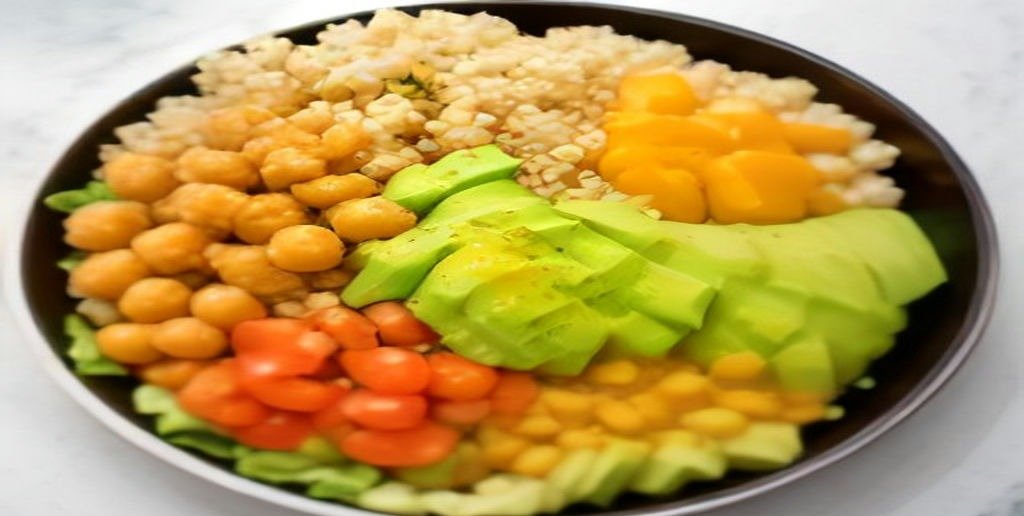
| Lunch | Grilled chicken salad with chickpeas and quinoa | 38 g |
| Afternoon snack | Cottage cheese with berries | 14 g |
| Dinner | Baked salmon with lentils and roasted vegetables | 32 g |
| Total | 118 g |
If you eat plant-based, the same structure works with different ingredients: tofu scramble at breakfast, a lentil and quinoa bowl at lunch, and a bean chilli with brown rice at dinner will land in the same range. The principle stays the same — a real protein source at every meal, not just at dinner.
How to Make Protein Work Harder for You
Getting enough protein is the foundation. A few habits make it work better.
- Front-load your day. Most people eat very little protein at breakfast and most of it at dinner. Shifting 20 to 30 grams into breakfast improves muscle maintenance and keeps you full until lunch.
- Pair protein with resistance training. Protein builds muscle only when the muscle is given a reason to grow. Even two short strength sessions a week make the same protein intake far more effective.
- Do not fear the evening meal. Casein-rich foods such as cottage cheese or Greek yoghurt digest slowly and supply amino acids overnight, when your body does most of its repair work.
- Drink water with it. Digesting protein needs water, and high-protein diets without enough fluid are the most common cause of the constipation people blame on protein itself.
- Keep the rest of the diet in place. Protein works best alongside enough carbohydrates to fuel your activity (so protein is not burned for energy) and enough healthy fat to support hormone production.
Frequently Asked Questions
Which macronutrient is vital for every function of the body?
Protein. It is the only macronutrient involved in building and repairing tissue, making enzymes, hormones, and antibodies, carrying oxygen in the blood, and maintaining fluid balance. Carbohydrates mainly provide energy and fats mainly store energy and build cell membranes — both essential, but neither does protein’s structural and functional jobs.
Why is protein called the building block of life?
Because every structure in your body is built from it: muscle, skin, hair, nails, bones, organs, and the enzymes and antibodies that keep you alive. Your body is constantly breaking down and rebuilding these proteins, so it needs a fresh supply of amino acids every day.
How much protein do I need per day?
At least 0.8 grams per kilogram of body weight, and 1.2 to 2.0 grams per kilogram if you are active, over 65, losing weight, or recovering from illness. A 70 kg adult who exercises regularly should aim for roughly 85 to 140 grams a day.
What happens if I don’t eat enough protein?
Over weeks and months, your body starts breaking down its own muscle, your immune system weakens, wounds heal more slowly, hair thins, and you feel tired and hungry. Severe deficiency causes swelling and serious illness, but even mild under-eating has real effects.
Is animal protein better than plant protein?
Animal proteins are complete — they contain all nine essential amino acids in the right proportions — and are easier to digest. Plant proteins can meet your needs just as well if you eat a variety of them across the day, combining legumes with grains, and including soy, quinoa, or a mix of beans, lentils, nuts, and seeds.
Can I get enough protein without supplements?
Yes. Most people can reach their target with food alone by including a protein source at every meal. Protein powder is a convenience, not a necessity — useful after training or on busy days, but not required for good results.
Is too much protein bad for your kidneys?
In healthy people with normal kidney function, no. Intakes up to 2.0 grams per kilogram per day are well studied and show no kidney harm. People with existing kidney disease should follow their doctor’s protein guidance, which is a specific medical situation.
Which foods are highest in protein?
Per serving, the leaders are chicken breast, fish, eggs, Greek yoghurt, cottage cheese, lean beef, tofu, lentils, and quinoa. Eggs are the classic reference food for protein quality, and whey protein powder is the most concentrated convenient source.
Do I need protein even on rest days?
Yes — arguably more so. Muscle repair and growth happen on rest days, not during the workout. Your body rebuilds tissue around the clock, so your protein intake should stay consistent every day, not just on training days.
Does protein help with weight loss?
Yes. Protein is the most filling macronutrient, it has the highest thermic effect (your body burns more calories digesting it), and a higher intake protects your muscle while you lose fat. That is why weight-loss diets that keep protein high work better than low-protein ones.
The Bottom Line
The question behind this article has a clear, evidence-based answer: protein is the macronutrient that is vital for every function of the body. It is the only one that builds your tissues, runs your chemical reactions, defends you against infection, carries oxygen in your blood, and produces the hormones that coordinate everything else. Carbohydrates and fats are essential partners — your brain and muscles need carbohydrate fuel, and your hormones and cell membranes need fat — but neither of them can do protein’s job.
The practical takeaway is simple. Eat a real source of protein at every meal, aim for 1.2 to 2.0 grams per kilogram of body weight if you are active, spread it across the day, and pair it with strength training. That is the whole strategy — no supplements required, no extreme diet needed.
Your body rebuilds itself from what you eat. Give it the right building material, and every function — from your muscles to your mood — works better.
This article is for general education only and is not medical advice. If you have kidney disease, liver disease, or any condition that affects your diet, speak to your doctor or a registered dietitian before changing your protein intake.
