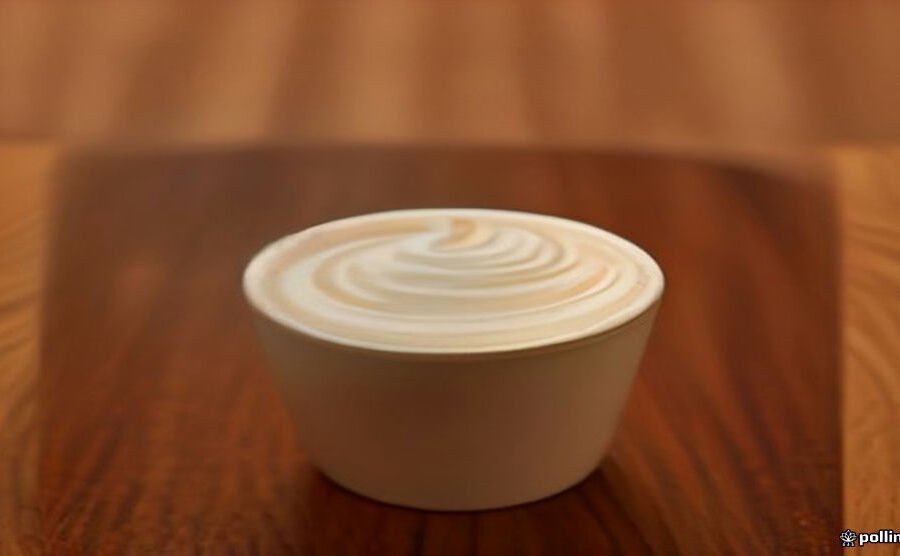
Quick answer: Espresso is a small, concentrated shot of pure coffee brewed under high pressure, with no milk at all. A cappuccino is a drink built on that same espresso shot, but it adds steamed milk and a thick cap of milk foam in roughly equal thirds: one part espresso, one part steamed milk, one part foam. The two drinks contain the same caffeine when they use the same number of shots — the milk changes the size, taste, and texture, not the caffeine dose.
If you have ever stared at a café menu wondering whether to order the short, intense shot or the tall, foamy cup, this guide settles it. Below you will find exactly what goes into each drink, how they compare on caffeine, calories, taste, and cost, how to make both at home, and which one suits you best.
Espresso vs Cappuccino at a Glance
| Feature | Espresso | Cappuccino |
|---|---|---|
| What it is | Pure, concentrated coffee shot | Espresso + steamed milk + milk foam |
| Ingredients | Finely ground coffee + hot water | Espresso + steamed milk + milk foam |
| Classic ratio | 1 part coffee to ~2 parts liquid (extraction) | 1:1:1 espresso, steamed milk, foam |
| Typical size | 1–2 oz (30–60 ml) | 5–6 oz (150–180 ml) |
| Milk | None | About 2–3 oz steamed milk + foam |
| Taste | Intense, bold, slightly bitter | Milder, creamier, naturally sweeter |
| Texture | Thick and syrupy, topped with crema | Light and airy, topped with thick foam |
| Caffeine (single shot) | ~63–75 mg | ~63–75 mg (same shot) |
| Calories | Under 5 | ~70–150, depending on milk and size |
| Best for | A fast, strong coffee hit | A slower, gentler morning drink |
| Served in | Small demitasse cup | 5–6 oz ceramic cup |
What Is Espresso?
Espresso is not a type of coffee bean. It is a brewing method. Hot water at around 90–96°C is forced through finely ground coffee packed tightly into a small basket, at about 9 bars of pressure, for roughly 25–30 seconds. The result is a small, concentrated shot — usually 1 ounce for a single, 2 ounces for a double (doppio) — with a layer of golden-brown foam on top called the crema.
The crema is not just decoration. It is made of emulsified coffee oils and carbon dioxide released during extraction, and it gives espresso its thick mouthfeel and part of its aroma. A good shot tastes bold and syrupy, with notes that can range from dark chocolate and caramel to fruit and nuts depending on the beans, followed by a pleasant bitterness.
Because there is nothing to hide behind — no milk, no sugar, no water — espresso exposes the quality of the beans and the skill of the person brewing it. A stale bean or a bad grind shows up immediately, which is why coffee lovers treat a well-pulled shot as the benchmark of a good café.
What you need to make espresso at home
- An espresso machine, a stovetop moka pot (a close cousin, though not true espresso), or a manual lever machine
- Freshly roasted beans, ground very fine just before brewing
- A scale and timer — a standard single shot uses about 7–9 grams of coffee for roughly 30 ml of liquid
- A small demitasse cup, preheated so the shot stays hot

What Is a Cappuccino?
A cappuccino starts exactly where espresso ends. You pull a shot of espresso, then add steamed milk and finish with a thick cap of milk foam. The classic Italian recipe follows the “rule of thirds”: one-third espresso, one-third steamed milk, and one-third foam, served in a cup of no more than about 180 ml.
That balance is what makes a cappuccino different from every other milky coffee drink. A latte uses the same shot but far more steamed milk and only a thin layer of foam, so it tastes much milkier. A flat white uses a double shot with velvety microfoam and almost no dry foam cap. A macchiato is just an espresso “marked” with a spoonful of foam. The cappuccino sits in the middle: the coffee flavour stays clearly forward, but the milk softens it.
Wet vs dry cappuccino
Not all cappuccinos are identical, and this is where café orders get confusing:
- Traditional (wet) cappuccino: equal thirds, with the foam blended into the steamed milk. Creamy and balanced.
- Dry cappuccino: more foam, less steamed milk. Lighter, airier, and stronger-tasting because less liquid milk dilutes the coffee.
- Bone-dry cappuccino: foam only, no steamed milk at all. The most intense version, closest to drinking the espresso itself.
If your cappuccino ever tasted too milky or too strong, the wet/dry balance was probably the reason — ask for it wet or dry next time to match your preference.
A short history
The cappuccino takes its name from the Capuchin friars, whose brown robes matched the colour of coffee mixed with milk. It became a staple of Italian café culture in the early 1900s as espresso machines spread, and it travelled worldwide with Italian immigration and, later, the specialty coffee boom. In Italy it remains overwhelmingly a morning drink — ordering one after lunch marks you out as a tourist, a custom worth knowing before your next trip.
The Real Differences, Explained
1. Ingredients and milk ratio
This is the single biggest difference. Espresso contains coffee and water only. A cappuccino contains the same espresso plus milk in two forms: steamed milk, which adds sweetness and body, and foam, which adds lightness. The 1:1:1 ratio is the classic standard, though modern cafés often stretch the cup to 8–12 ounces, which quietly changes the ratio and makes the drink milkier than the traditional version.
2. Size and serving
An espresso is deliberately tiny — 1 to 2 ounces, drunk in a few sips. A cappuccino is five to six ounces in its classic form, served in a wider cup that leaves room for the foam cap. That size difference is why an espresso feels like a jolt and a cappuccino feels like a break.
3. Taste and texture
Espresso is intense, concentrated, and unapologetically coffee-forward. Without milk, you taste the bean itself: its bitterness, acidity, and sweetness all at full volume. Cappuccino softens that intensity. Heating milk brings out the natural sweetness of lactose, which rounds off the espresso’s bitter edges, while the foam gives each sip a light, creamy texture. The coffee is still clearly there — that is what separates a cappuccino from a latte — but it arrives gently.
4. Caffeine: the myth that trips everyone up
Here is the fact most comparison articles bury: a cappuccino does not have less caffeine than an espresso, and an espresso does not have more caffeine than a cappuccino — as long as both use the same number of shots. Milk adds volume and calories, not caffeine.
A single shot of espresso contains roughly 63–75 mg of caffeine (figures vary slightly by bean and dose). A cappuccino made with that same single shot contains exactly the same amount. Where the confusion comes from is size: many cafés make larger cappuccinos with a double shot, which doubles the caffeine to around 126–150 mg. So if your cappuccino feels stronger than a single espresso, check whether it was made with two shots — that, not the milk, is the difference.
What does differ is caffeine concentration. Espresso packs its caffeine into one or two ounces, so per sip it feels far stronger. A cappuccino spreads the same caffeine across five or six ounces, so it feels milder even though the total dose is identical.
5. Calories and nutrition
A straight espresso is virtually calorie-free — under 5 calories, with negligible fat or sugar. A cappuccino is a different story because of the milk. A traditional 6-ounce cappuccino made with whole milk lands around 70–80 calories; larger café versions with more milk can reach 110–150 calories. Switching to skimmed milk trims that noticeably, while sweetened versions, chocolate dusting, or flavoured syrups push it higher. If you are counting calories, the espresso wins easily; if you want something that feels like a small snack, the cappuccino is the better pick.
6. How long each takes to drink — and when to drink it
An espresso is a 30-second drink: order it, drink it standing at the bar in Italy, and move on. A cappuccino is a sit-down drink, made for slow mornings and conversation. Italians drink cappuccinos almost exclusively before late morning, treating milk-heavy coffee as a breakfast drink. Espresso, by contrast, is an all-day drink in Italy — after meals, mid-afternoon, or as a quick evening pick-me-up.
7. Equipment and cost
Espresso requires an espresso machine (or a moka pot as a budget stand-in), a fine grinder, and fresh beans — a real upfront investment, though the per-drink cost at home is low. A cappuccino needs everything espresso needs, plus a way to steam and foam milk: a steam wand on the machine or a separate electric frother. In cafés, cappuccinos usually cost more than a straight espresso because of the extra milk, time, and larger cup.
Espresso vs Cappuccino vs Latte vs Flat White
| Drink | Espresso | Steamed milk | Foam | Character |
|---|---|---|---|---|
| Espresso | 1–2 shots | None | Crema only | Pure, intense |
| Cappuccino | 1–2 shots | Some (1/3) | Thick, 1/3 of cup | Balanced, airy |
| Latte | 1–2 shots | Lots (2/3) | Thin layer | Milky, smooth |
| Flat white | Double shot | Some, velvety | Very thin microfoam | Strong but silky |
| Macchiato | 1 shot | None | A spoonful | Espresso, marked with foam |
| Cortado | 1 shot | Equal, warm | Almost none | Equal parts, no foam cap |
How to Make Both at Home
How to make an espresso
- Grind fresh beans very fine — the texture should feel like powdered sugar.
- Dose 7–9 grams for a single shot (18–20 grams for a double) into the portafilter and tamp it level and firm.
- Lock in, start the extraction, and aim for about 30 ml in 25–30 seconds.
- Look for a thick, golden-brown crema. If the shot runs pale and fast, grind finer; if it drips slowly and tastes bitter, grind coarser.
- Serve immediately in a preheated demitasse.
How to make a cappuccino
- Pull a single or double shot of espresso into a 5–6 oz cup.
- Steam cold whole milk to about 60–65°C, aerating it so it roughly doubles in volume with a thick, glossy foam. Whole milk foams best; skimmed milk makes a lighter, drier foam.
- Pour the steamed milk into the espresso, then spoon the thick foam on top so it makes up about a third of the cup.
- Dust with cocoa or cinnamon if you like — optional, and never enough to bury the coffee flavour.
Common mistakes to avoid
- Using stale or pre-ground coffee. Espresso shows every flaw; grind fresh.
- Overheating the milk. Milk scorched past about 70°C tastes burnt and will not foam well.
- Drowning the cappuccino. If the cup is too big or you pour too much milk, you have made a latte, not a cappuccino.
- Skipping the preheat. A cold cup kills a hot espresso in seconds.

Which One Should You Choose?
Choose espresso if you:
- Want the strongest coffee flavour in the smallest volume
- Drink coffee for a fast caffeine boost
- Want virtually zero calories
- Enjoy tasting the difference between coffee beans and roasts
- Prefer a quick, no-fuss coffee ritual
Choose cappuccino if you:
- Find straight espresso too bitter or intense
- Want a longer, more relaxing drink
- Enjoy creamy texture and foam
- Like a morning drink that feels like a small treat
- Want the same caffeine with a gentler taste
Neither is “better” — they are the same coffee, served two different ways. Many coffee lovers drink both: an espresso when they need to focus fast, a cappuccino when they have time to enjoy it.
Frequently Asked Questions
Is a cappuccino just an espresso with milk?
Almost — it is an espresso with steamed milk and a thick foam cap, in roughly equal thirds. The foam is essential: without it, you have a café au lait or a small latte, not a cappuccino.
Does a cappuccino have more caffeine than espresso?
No, not when both use the same number of shots. A single-shot cappuccino and a single espresso both contain roughly 63–75 mg of caffeine. A double-shot cappuccino has about double that, because it contains two shots.
Is espresso stronger than cappuccino?
In taste and concentration, yes — espresso is undiluted, so it tastes stronger per sip. In total caffeine, no — the two drinks are equal when made with the same shots.
What is the difference between a cappuccino and a latte?
A cappuccino uses equal parts espresso, steamed milk, and thick foam, so the coffee flavour stays forward. A latte uses much more steamed milk and only a thin layer of foam, so it tastes milkier and milder.
Can I make a cappuccino without an espresso machine?
Yes, with compromises. Brew very strong coffee with a moka pot or AeroPress as your espresso stand-in, then foam heated milk with a handheld frother or a French press. It will not be true espresso, but the 1:1:1 balance still produces a convincing cappuccino.
Is a cappuccino healthy?
A plain cappuccino made with milk is a reasonable choice — roughly 70–150 calories with some protein and calcium from the milk. It becomes less healthy once sugar, syrups, or whipped cream are added. A straight espresso is the lightest option of all.
Why is a cappuccino only a morning drink in Italy?
Italian tradition treats milk-heavy coffee as breakfast food, paired with a pastry. Drinking a cappuccino after a full meal is considered heavy on digestion. It is a cultural custom, not a rule — outside Italy, order one whenever you like.
What milk is best for a cappuccino?
Whole milk is the classic choice: it steams into a rich, stable, sweet-tasting foam. Skimmed milk makes a lighter, airier foam with fewer calories. Oat milk is the best non-dairy option for foam, while almond and soy milk foam less reliably.
Bottom Line
The difference between espresso and cappuccino comes down to one ingredient: milk. Espresso is pure, concentrated coffee — intense, tiny, and calorie-free. A cappuccino takes that same shot and balances it with steamed milk and thick foam in equal thirds, creating a larger, creamier, gentler drink with exactly the same caffeine. Pick the espresso when you want coffee at full strength, and the cappuccino when you want that same kick wrapped in something soft and slow. Either way, you are drinking the same great shot — just dressed differently.
