
Quick Answer: What Should a 3 Year Old Indian Child Eat in a Day?
A diet chart for a 3 year old Indian child should include 3 small meals and 2 snacks a day, built from ordinary family foods: cereals like rice, roti, idli or poha; dal, pulses, paneer, egg or chicken; vegetables; fruit; and about 400–500 ml of milk or curd. A practical day looks like this: breakfast of vegetable upma, dosa or paratha with curd; a mid-morning fruit; lunch of rice, dal, vegetables and curd; an evening snack of roasted makhana, paneer sandwich or fruit; and dinner of roti or khichdi with dal, vegetables and paneer or egg. Portions are small — roughly 2 to 4 tablespoons per food, half a roti, or half a small katori of rice — and the same foods the family eats, served with less spice. No separate “kids menu” is needed, and no calorie counting is required at this age.
Important: This article is general educational information based on ICMR–National Institute of Nutrition (ICMR-NIN) guidelines for Indian children. Every child is different. If your child has allergies, a medical condition, poor growth, or you are worried about their eating, speak to your paediatrician or a registered dietitian before changing their diet.
Why Most Diet Charts for 3-Year-Olds Fail Parents
Search for a diet chart for a 3 year old Indian child and you will find two kinds of pages. The first gives you a single-day menu and stops there, leaving you to repeat the same five meals until your child refuses them. The second covers every age from 1 to 18 in one article, so the section written for your 3-year-old is barely a paragraph long.
Neither helps with the real problems parents face at this age: a child who eats two bites and runs off to play, a tiffin box that comes home untouched, a preschooler who suddenly refuses the dal they loved last month, or the worry that a small appetite means something is wrong.
This article is different. It stays focused on exactly one age — 3 years old — and answers the questions parents actually ask: how much food is enough, what a full week of meals looks like without repeating the same dishes, what goes into a preschool tiffin, how to handle a picky eater, and which foods to limit or avoid. Everything uses familiar Indian foods and realistic portion sizes, with vegetarian and non-vegetarian options side by side.
How Much Does a 3-Year-Old Need? The Numbers That Actually Matter
A 3-year-old’s stomach is roughly the size of their fist. That is why small, frequent meals work far better than three large ones. The ICMR-NIN Recommended Dietary Allowances (RDA 2020) for children aged 1–3 years give the following approximate daily targets:
| Nutrient | Approximate daily need (1–3 years) | Why it matters at age 3 |
|---|---|---|
| Energy | About 1,060 kcal | Fuels rapid growth, play and brain development |
| Protein | About 12.5–17 g | Builds muscle, supports immunity and growth |
| Calcium | About 500–600 mg | Builds bones and teeth during a fast-growth phase |
| Iron | About 8 mg | Prevents anaemia; supports learning and energy |
| Vitamin A | About 400 mcg | Vision, immunity and healthy skin |
| Vitamin C | About 15–27 mg | Helps absorb iron; supports immunity |
| Vitamin D | About 600 IU (15 mcg) | Bone health; mainly from sunlight and fortified foods |
| Zinc | About 3 mg | Growth, appetite and immunity |
| Fibre | About 19 g | Healthy digestion; prevents constipation |
Two things matter more than memorising this table. First, these are daily averages, not per-meal targets — a light breakfast is fine if lunch and dinner make up for it. Second, a healthy 3-year-old who is growing along their own curve, active and alert, is usually eating enough even when individual meals look tiny to an adult.
The 3-meals-plus-2-snacks structure
| Eating occasion | When | Purpose |
|---|---|---|
| Breakfast | Within an hour of waking | Breaks the overnight fast; sets up the preschool morning |
| Mid-morning snack | Mid-morning / preschool break | Fruit or a small homemade snack; bridges to lunch |
| Lunch | Midday | The main cooked meal of the day |
| Evening snack | After preschool / late afternoon | Replaces the energy spent playing |
| Dinner | Early evening, 2–3 hours before bed | Light, familiar family food |
| Bedtime milk (optional) | Before bed | A small cup of warm milk if the child wants it |
Three meals and two snacks, spaced 2–3 hours apart, is the structure paediatric nutritionists recommend for this age. It keeps energy steady, avoids the blood-sugar crashes that make toddlers cranky, and — just as importantly — it means no single meal has to carry the whole day. If breakfast is a disaster, lunch can still be a good meal.
Portion Sizes for a 3-Year-Old: How Much Is One Serving?
Parents consistently overestimate how much a 3-year-old should eat, and then worry when the plate comes back half full. Use your child’s own hand as the guide: one serving is roughly the size of their palm, or about 2 to 4 tablespoons of a cooked food.
| Food group | One serving for a 3-year-old | Servings per day | Indian examples |
|---|---|---|---|
| Cereals and millets | 2–4 tbsp cooked, or ½ roti, or 1 small idli | 3–4 | Rice, roti, dalia, poha, idli, dosa, upma, ragi porridge |
| Pulses, egg, meat, fish | 2–4 tbsp dal, or 1 egg, or 1 small piece of chicken/fish | 1–2 | Moong dal, masoor dal, rajma (mashed), chana, paneer, egg, chicken, fish |
| Milk and milk products | About ½–1 cup (100–125 ml) per serving | 2 cups total (400–500 ml) | Milk, curd, paneer, buttermilk |
| Vegetables | 2–3 tbsp cooked | 2–3 | Carrot, lauki, pumpkin, spinach, beans, peas, potato, beetroot |
| Fruits | ½–1 small fruit, or 2–3 tbsp cut fruit | 1–2 | Banana, papaya, apple, chikoo, mango, guava, orange |
| Fats and oils | ½–1 tsp per meal | 4–5 tsp total | Ghee, groundnut oil, mustard oil, butter |
| Nuts and seeds | 1 tsp powdered (never whole) | 1 | Almond powder, groundnut powder, sesame seeds, flaxseed |
A note on milk: about 400–500 ml a day is enough. More than that is not better — too much milk fills a small stomach and reduces appetite for iron-rich foods, which is one of the commonest causes of iron deficiency in toddlers. If your child drinks a litre of milk a day and refuses dal and vegetables, the milk is the problem, not the dal.
A Sample Day: The Full Diet Chart for a 3-Year-Old
Here is one complete day, using foods most Indian families already cook. Every meal is a family food, served with less chilli and cut to a safe size.
| Meal | Time | What to serve | Notes |
|---|---|---|---|
| Early morning | On waking | Warm milk (100–150 ml) or water | Optional; skip if the child prefers breakfast straight away |
| Breakfast | 8:00–9:00 am | Vegetable upma with curd, or 1 small dosa with sambar | Add grated carrot or peas to the upma; keep sambar mild |
| Mid-morning snack | 10:30–11:00 am | Banana or seasonal fruit + 2–3 homemade biscuits | Preschool snack; keep it dry and easy to handle |
| Lunch | 12:30–1:30 pm | Rice + moong dal + carrot-beans sabzi + curd | The main meal; soft textures, small katori portions |
| Evening snack | 4:00–4:30 pm | Roasted makhana, or paneer sandwich, or boiled sweet potato with milk | After play; something filling but not heavy |
| Dinner | 7:00–7:30 pm | Soft roti + palak paneer, or vegetable khichdi with ghee | Lighter than lunch; familiar flavours help sleep |
| Bedtime | 8:30 pm | Warm milk (100 ml) | Optional; brush teeth after milk |

Notice what is missing: no separate cooking. The upma is the family’s breakfast with extra vegetables; the dal-chawal is the family’s lunch; the khichdi is the family’s dinner, made softer. Cooking a separate “kids menu” every day is exhausting and unnecessary — the same food, served earlier and milder, is the whole trick.
7-Day Diet Chart for a 3 Year Old Indian Child
This is the part most charts skip: a full week, so you are not serving the same upma and dal-chawal every day. The plan mixes North and South Indian foods. Vegetarian families follow the veg column as written; non-vegetarian families can use the swaps in the last column.
| Day | Breakfast | Mid-morning | Lunch | Evening snack | Dinner |
|---|---|---|---|---|---|
| Monday | Vegetable dalia with milk | Banana | Rice, moong dal, carrot sabzi, curd | Ragi ladoo (sweetened with dates) | Soft roti with palak paneer |
| Tuesday | Idli with sambar | Papaya | Roti, rajma (mashed), cucumber raita | Boiled sweet potato | Vegetable khichdi with ghee |
| Wednesday | Moong dal cheela with curd | Apple slices | Rice, dal, bhindi sabzi, curd | Paneer cubes + fruit | Roti, lauki-chana dal, curd |
| Thursday | Poha with vegetables and peanuts (powdered) | Guava | Vegetable pulao, raita, dal | Besan chilla pieces | Dalia khichdi with vegetables |
| Friday | Ragi porridge with banana | Orange segments | Rice, sambar, beans sabzi, curd | Roasted chana (powdered) + milk | Soft roti, aloo-matar, curd |
| Saturday | Vegetable paratha with curd | Mango or chikoo | Rice, chole (mashed), beetroot raita | Sweet potato chaat | Moong dal khichdi, papad (soft) |
| Sunday | Dosa with potato masala | Seasonal fruit | Rice, dal, mixed veg sabzi, curd | Fruit + paneer sandwich | Roti, paneer bhurji, curd |
Non-vegetarian swaps: replace paneer with egg bhurji or shredded chicken on any day; add a boiled egg to breakfast twice a week; swap one dal lunch for chicken or fish curry (boneless, mild) with rice. Keep fish to boneless varieties and check carefully for bones.
How to use this chart: treat it as a rotation, not a rulebook. If your child hates bhindi, swap in lauki. If idli is not a family food, use paratha. The structure — grain + pulse/protein + vegetable + dairy + fruit at every meal — matters far more than copying each dish exactly.
Vegetarian vs Non-Vegetarian: Getting Enough Protein and Iron
A vegetarian diet chart for a 3 year old Indian child works perfectly well — Indian vegetarian food is rich in pulses, dairy and millets — but two nutrients need deliberate attention: iron and vitamin B12.
| Nutrient | Best vegetarian sources | Best non-vegetarian sources | Tip |
|---|---|---|---|
| Protein | Dal, rajma, chana, paneer, curd, milk, soya | Egg, chicken, fish | Combine dal + rice or roti in the same meal for complete protein |
| Iron | Ragi, spinach, bajra, dates, rajma, sesame | Egg yolk, chicken, fish | Serve with vitamin C (amla, orange, tomato) — it doubles iron absorption |
| Calcium | Milk, curd, paneer, ragi, sesame | Milk, curd, paneer, small fish (with bones, mashed) | Ragi porridge is one of the richest vegetarian calcium sources |
| Vitamin B12 | Milk, curd, paneer, fortified foods | Egg, chicken, fish, meat | Pure vegetarian children may need a paediatrician’s advice on B12 |
| Omega-3 (DHA) | Flaxseed powder, walnuts (powdered) | Fish, egg | Important for brain development at this age |
| Zinc | Chana, rajma, sesame, peanuts (powdered) | Egg, chicken | Soaking pulses overnight improves zinc absorption |
The single most useful habit is pairing iron foods with vitamin C in the same meal: dal with a squeeze of lemon, palak paneer with tomato, rajma with orange segments afterwards. Tea and excess milk with meals do the opposite — they block iron absorption — so keep chai away from mealtimes entirely.
Preschool Tiffin Ideas: What Actually Gets Eaten
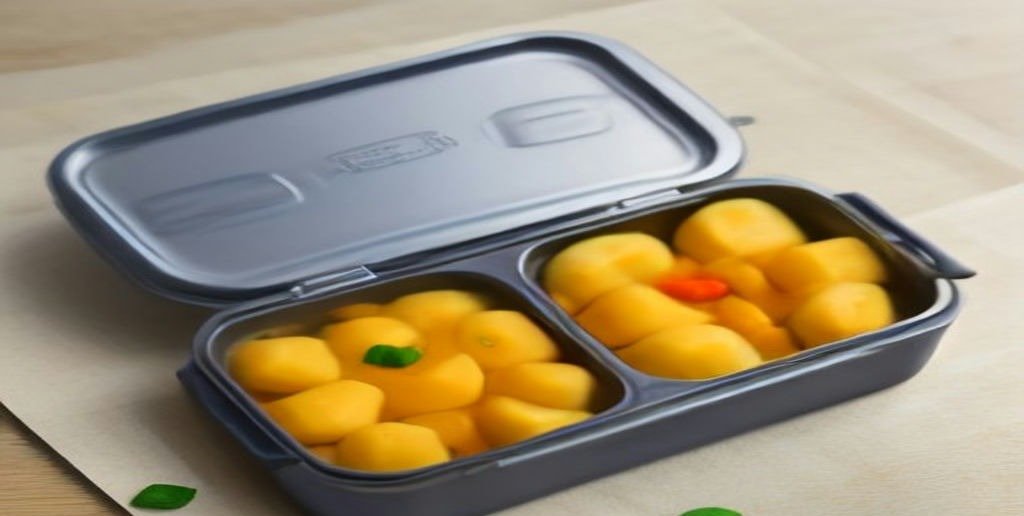
The best preschool tiffin is not the most nutritious one on paper — it is the one your child can open alone, finish in the time allowed, and actually enjoys. A tiffin that returns home untouched every day teaches you nothing except that the food was wrong for the setting.
| Tiffin idea | Why it works | Pack it with |
|---|---|---|
| Mini idli with sambar (in a leak-proof box) | Soft, familiar, easy to hold | 3–4 mini idlis + a few pieces of fruit |
| Small dosa pieces / uttapam squares | Finger food; no spoon needed | Dosa pieces + curd in a small container |
| Paneer or vegetable roll | Complete meal in one hand | 1 small roti roll + banana |
| Vegetable paratha triangles | Travels well; stays soft | 1 small paratha + curd |
| Poha with vegetables | Light, non-messy | Small box of poha + orange segments |
| Egg bhurji roll (non-veg) | Protein-rich, easy to eat | 1 roti roll + cucumber sticks |
| Besan chilla pieces | Protein from gram flour | 2 small pieces + fruit |
Tiffin rules that save you grief:
- Test at home first. Never send a new food to school. If it is refused at home, it will be refused faster at school.
- Keep it dry and simple. Leaking sambar or runny curries make a mess and put children off the whole box.
- One new thing at a time. A familiar main plus one small new item is the right ratio.
- Check what comes back. Leftovers tell you the truth: uneaten roti means too much or too dry; uneaten vegetables mean the texture or spice was wrong; an empty box with the fruit left means the fruit was hard to peel.
- Let them help pack it. A 3-year-old who chose between banana and papaya is far more likely to eat the fruit.
Picky Eating at 3: What Is Normal and What to Do
Picky eating peaks between ages 2 and 4, and it is one of the most stressful — and most normal — parts of parenting a 3-year-old. A child who ate everything at 18 months and now survives on rice and curd is not being difficult; their growth has slowed, their appetite has dropped, and they have discovered they can say no.
What helps:
- Offer, don’t force. Put the food on the plate, eat it yourself with visible enjoyment, and let the child decide. Forcing a bite creates a power struggle you will lose, and it teaches the child that mealtimes are stressful.
- Repeat exposure without pressure. Research on children’s eating shows it can take 10–15 calm exposures before a child accepts a new food. A food on the plate that is ignored still counts as exposure.
- Keep portions tiny. A tablespoon of a new vegetable beside foods they already like is far less intimidating than a full serving.
- Involve them in cooking. Washing spinach, tearing roti, stirring dal — a child who helped make the food is much more likely to taste it.
- Eat together, without screens. A child who watches you eat vegetables learns more from that than from any lecture about vitamins.
- Respect genuine dislike. There is a difference between “I have never tried this” and “I have tried this five times and I hate it.” Drop the genuinely disliked foods for a few months and try again later.
What does not help: bribing with dessert (“finish your dal and you get chocolate”), hiding vegetables in everything (it works once, then destroys trust when discovered), cooking a separate meal on demand, or turning the dining table into a battleground. A child who eats five foods happily is doing better than a child who is forced to cry over fifteen.
When picky eating needs a doctor: if your child eats fewer than 10 foods in total, gags or vomits on certain textures, is losing weight or falling off their growth curve, or mealtimes regularly end in distress. These are worth a paediatrician’s visit, not a new recipe.
Foods to Limit or Avoid for a 3-Year-Old
| Food | Status | Why |
|---|---|---|
| Honey | Avoid under age 1; fine in small amounts at 3 | Infant botulism risk ends after age 1 |
| Whole nuts, popcorn, whole grapes, raw carrot chunks | Avoid whole; serve cut or powdered | Choking hazard — the leading cause of food-related choking at this age |
| Sugary drinks, packaged juices, colas | Avoid | Liquid sugar, no nutrition, damages teeth |
| Chips, instant noodles, packaged snacks | Limit to rare occasions | High salt and fat, low nutrition, displaces real food |
| Excess salt | Limit — about 2 g salt per day maximum | Young kidneys cannot handle adult salt levels |
| Added sugar | Limit — keep well below 25 g per day | Tooth decay and poor appetite for real food |
| Tea and coffee | Avoid | Blocks iron absorption; caffeine is unsuitable |
| Very spicy food | Limit | Irritates a young stomach; keep family spice levels mild for the child |
| Raw or undercooked egg, meat, fish | Avoid | Food poisoning risk |
| Unpasteurised milk | Avoid | Bacterial infection risk; always use pasteurised milk |
Two practical points. First, cut round and firm foods: grapes in quarters lengthways, cherry tomatoes in quarters, nuts ground to powder, raw carrot grated or cooked. Second, never eat while running or laughing — choking risk rises sharply when a child eats while playing, so mealtimes should be seated and calm.
Milk: How Much, When, and What Kind
Milk is important at 3, but more milk is not better milk. The right amount is about 400–500 ml a day, including the milk in porridge and the curd on the plate.
- Whole milk (full cream) is right for a 3-year-old. Do not switch to toned or skimmed milk unless your paediatrician advises it — young children need the fat for brain development.
- Timing matters. A large glass of milk just before a meal kills appetite for the meal. Offer milk between meals, or as part of breakfast, not as a pre-lunch filler.
- Curd counts. A bowl of curd provides the same calcium as a glass of milk, plus probiotics. Raita, buttermilk and paneer all count toward the daily dairy total.
- If your child refuses milk, do not panic. Calcium also comes from ragi, sesame, leafy greens and paneer. A child who eats curd, paneer and ragi porridge is getting calcium without ever drinking a glass of milk.
3 Quick Recipes for a 3-Year-Old
1. Vegetable Khichdi (15 minutes, one pot)
Wash 2 tablespoons of rice and 2 tablespoons of moong dal. Pressure cook with grated carrot, peas and a pinch of turmeric for 3 whistles. Mash lightly, add ½ teaspoon of ghee, and serve warm. This is the single most forgiving meal in Indian cooking — soft, complete protein, easy to digest, and endlessly variable with whatever vegetables are in the fridge.
2. Ragi Porridge (10 minutes)
Roast 2 tablespoons of ragi flour in a dry pan until it smells nutty. Add a cup of water and stir continuously until thick, then add milk and a mashed banana or a few soaked, mashed dates for sweetness. Ragi is one of the richest vegetarian sources of calcium and iron — a genuine superfood that costs almost nothing.
3. Paneer Bhurji (10 minutes)
Crumble 50 g of paneer. Cook in a little ghee with finely chopped tomato, onion and a pinch of turmeric and cumin. Serve with a soft roti or as a sandwich filling. For non-veg families, the same recipe with an egg makes egg bhurji — one of the fastest protein-rich breakfasts there is.
7 Mistakes Parents Make With a 3-Year-Old’s Diet
- Cooking a separate kids menu every day. It burns you out, and it teaches the child that family food is not for them. Serve the same food, milder and softer.
- Too much milk. Over 500 ml a day fills the stomach and blocks iron absorption. Milk is a food, not a drink to sip all day.
- Forcing the “clean plate”. A child who is forced to finish every bite stops listening to their own fullness signals — a habit that lasts into adulthood.
- Juice instead of fruit. A glass of orange juice has the sugar of 4 oranges and none of the fibre. Give the fruit, not the juice.
- Starting the day with biscuits or packaged cereal. A sweet, low-protein breakfast leads to a mid-morning crash and a cranky child. Upma, idli, dosa or paratha with curd sustains them far longer.
- Using food as a reward or punishment. “No chocolate unless you finish your vegetables” teaches the child that vegetables are a chore and chocolate is the prize.
- Comparing your child to other children. Appetite varies enormously between healthy children. Growth along their own curve, energy and alertness matter — not whether they ate as much as the neighbour’s child.
When to See a Doctor About Your 3-Year-Old’s Diet
Most eating worries at this age are normal. See your paediatrician promptly if your child is losing weight or dropping across growth-chart lines, eats fewer than 10 foods, regularly gags, chokes or vomits on food, has persistent constipation or diarrhoea, shows signs of anaemia (pale skin, unusual tiredness, frequent illness), or has a suspected food allergy (rash, swelling, breathing difficulty after eating a food). Bring the diet chart you have been following — it helps the doctor enormously to see what the child actually eats in a week, rather than hearing “he eats nothing.”
Textures and Food Safety at Age 3
By 3, most children can handle the family’s food with minor adjustments — but choking is still a real risk, and it is the leading cause of food-related emergencies in this age group. The rule is simple: anything round, hard or sticky gets cut, cooked or ground.
| Food | Safe way to serve at 3 | Avoid serving as |
|---|---|---|
| Grapes, cherry tomatoes, berries | Quartered lengthways | Whole |
| Nuts and seeds | Ground to a fine powder | Whole or large pieces |
| Raw carrot, apple | Grated, or cooked soft | Hard chunks or whole apple |
| Popcorn, chips, hard candy | Avoid entirely at this age | — |
| Peanut butter | Thinly spread on roti or bread | By the spoonful (sticky, choking risk) |
| Meat and fish | Small, soft, boneless pieces | Large chunks, or fish with bones |
| Roti and paratha | Soft, torn into small pieces | Very dry or crisp pieces |
Seat your child to eat. Eating while running, laughing, walking or lying down multiplies the choking risk, and it also teaches the child that meals are something to rush through. Five calm minutes sitting down are worth more than any superfood.
Hydration: Water Before Juice, Always
A 3-year-old needs roughly 1 to 1.3 litres of total fluids a day, and most of that should be plain water plus the milk they already drink. Offer water with every meal and keep a small bottle within reach during play. On hot Indian summer days, add a little extra water, coconut water or buttermilk — but not packaged juices or colas, which are sugar delivery systems, not hydration. If your child’s urine is pale yellow, hydration is fine; dark yellow or infrequent urination means they need more water.
A Week of Tiffin Boxes (So You Never Repeat Monday)
| Day | Tiffin main | Fruit | Drink |
|---|---|---|---|
| Monday | Mini idli + sambar | Banana | Water |
| Tuesday | Paneer roll | Orange segments | Water |
| Wednesday | Vegetable paratha triangles + curd | Papaya | Buttermilk (small) |
| Thursday | Dosa pieces + coconut chutney | Apple slices | Water |
| Friday | Poha with vegetables | Guava | Water |
| Saturday | Besan chilla pieces | Mango / chikoo | Water |
| Sunday | Egg bhurji roll (or paneer bhurji roll) | Grapes (quartered) | Water |
Rotate this weekly plan and the tiffin problem mostly solves itself. The fruit changes with the season — mango in summer, guava and orange in winter — which also keeps costs down and variety up.
Frequently Asked Questions
How many times a day should a 3 year old eat?
A 3-year-old should eat 3 small meals and 2 snacks a day, spaced 2–3 hours apart. This structure — breakfast, mid-morning snack, lunch, evening snack and dinner — matches their small stomach capacity and keeps energy steady through preschool and play.
What is a good breakfast for a 3 year old Indian child?
Good breakfasts include vegetable upma with curd, idli with sambar, dosa with mild sambar, moong dal cheela, vegetable paratha with curd, or ragi porridge with banana. The best breakfast combines a grain with protein (dal, curd, paneer or egg) so the child stays full until the mid-morning snack.
How much milk should a 3 year old drink per day?
About 400–500 ml of milk and milk products per day is enough — for example, a small glass of milk at breakfast and a bowl of curd at lunch. More than 500 ml can reduce appetite for iron-rich foods and increase the risk of iron deficiency.
What foods should a 3 year old avoid?
Avoid whole nuts, popcorn, whole grapes and hard raw vegetables (choking hazards), sugary drinks and packaged juices, tea and coffee, raw or undercooked egg and meat, and unpasteurised milk. Limit chips, instant noodles, added sugar and excess salt.
My 3 year old refuses vegetables. What should I do?
Keep offering small amounts without forcing — it can take 10–15 calm exposures before a child accepts a new food. Serve a tablespoon of vegetables beside foods they already like, involve them in cooking, eat vegetables yourself at the same meal, and try different forms (grated carrot in paratha, spinach in dal, peas in pulao). If they eat fewer than 10 foods in total or gag on textures, speak to your paediatrician.
Can a 3 year old eat eggs every day?
Yes, one egg a day is fine for most 3-year-olds, including the yolk, unless your paediatrician has advised otherwise. Eggs are an excellent source of protein, iron and DHA. Serve them fully cooked — boiled, scrambled or as bhurji — never raw or runny.
Is a vegetarian diet OK for a 3 year old?
Yes, a vegetarian diet works well for a 3-year-old if it includes dal, pulses, paneer, curd, milk, ragi and leafy greens, with vitamin C foods at meals to help iron absorption. The one nutrient to watch is vitamin B12, which comes mainly from animal foods and dairy — ask your paediatrician if you are concerned.
What should I pack in a 3 year old’s tiffin?
Pack food your child can open and finish alone in the time allowed: mini idlis, dosa pieces, a paneer or vegetable roti roll, vegetable paratha triangles, poha, or besan chilla pieces, plus a piece of fruit. Test every tiffin at home first, keep it dry and simple, and check what comes back uneaten — the leftovers tell you what to change.
How do I know if my 3 year old is eating enough?
Look at growth, energy and alertness, not at individual meals. A child who is growing along their own growth curve, is active, playful and alert, and eats a variety of foods across the week is almost certainly eating enough — even if some meals are tiny. If weight is dropping or growth is stalling, see your paediatrician.
The Bottom Line
A diet chart for a 3 year old Indian child does not need to be complicated, expensive or separate from the rest of the family’s food. Three small meals and two snacks a day, built from rice, roti, dal, vegetables, fruit, curd and milk, with portions the size of your child’s palm, covers what a healthy 3-year-old needs. Rotate the dishes through the week so boredom never sets in, keep milk under 500 ml a day, cut round foods to prevent choking, and let the preschool tiffin be food your child can actually finish. And when the inevitable picky phase arrives, remember: your job is to offer good food calmly and consistently. Your child’s job is to decide how much to eat. Trust that division of labour — it works far better than any battle at the dining table ever will.
Disclaimer: This article is for general educational purposes only and is not a substitute for professional medical or nutritional advice. Consult your paediatrician or a registered dietitian for advice specific to your child.
