
Quick Answer: What Should I Do If I Chipped My Tooth?
If you chipped your tooth, stay calm, rinse your mouth gently with warm water, save any broken piece in cold milk or saliva, cover a sharp edge with dental wax or sugar-free gum, and call your dentist the same day — even if it does not hurt. A small, painless chip is rarely an emergency, but it still needs a dentist’s look, because a chip never heals on its own and exposed inner tooth layers can decay or crack further. Get urgent, same-day care if you have severe pain, bleeding that will not stop, a large or deep break, a loose tooth, swelling, or a chip that exposes the nerve. Do not try to file the tooth down yourself, do not ignore a painless chip, and do not wait weeks to see whether it gets better — it will not.
First, Take 60 Seconds to Assess the Damage
A chipped tooth looks dramatic, but most chips are fixable, often in a single visit. Before you do anything else, run through this quick check. It decides how urgently you need care.
- How big is the chip? A tiny corner missing from the edge is very different from half the tooth breaking off.
- Does it hurt? Sharp pain, throbbing, or strong sensitivity to hot and cold suggests the inner layers are involved.
- Is there bleeding? A little blood from the gum is common after a fall or blow. Bleeding from inside the tooth itself is more serious.
- Is the tooth loose, pushed out of place, or missing? A loose or displaced tooth needs same-day care, and a fully knocked-out tooth is a separate emergency.
- Is the edge sharp? A jagged edge can cut your tongue or cheek within hours, even if the chip itself is small.
- Can you see a pink, red, or dark spot inside the break? That may be the pulp — the nerve and blood vessels at the tooth’s centre — and it needs prompt treatment.
If you feel faint, have jaw pain, cannot open your mouth properly, or suspect a jaw fracture after a heavy blow, get urgent medical care first. Dental repair comes after serious injuries are ruled out.
Chip Triage: How Urgent Is It?
| Tiny chip, no pain, no sharp edge | Soon — within a few days | Call your dentist, book a routine visit, watch for sensitivity. |
| Small chip with a sharp edge, no pain | Soon — within 1–2 days | Cover the edge, call your dentist, do not chew on that side. |
| Chip with sensitivity to cold, heat, or air | Same day if possible | Call your dentist today, avoid very hot or cold food and drink. |
| Large or deep chip, visible inner layer, or nerve exposed | Same day — urgent | Call your dentist now or find an emergency dentist. |
| Severe or throbbing pain, swelling, or a loose tooth | Same day — urgent | Call your dentist now, use a cold compress, do not delay. |
| Uncontrolled bleeding, jaw injury, trouble breathing or swallowing | Emergency care now | Go to urgent care or the emergency department. |
When in doubt, call. A dental receptionist can triage you over the phone in a couple of minutes, and most practices keep emergency slots for exactly this situation.
The First 60 Minutes: Step by Step
1. Stay calm and stop what you were doing
Stop eating, take out any food from your mouth, and sit down. If the chip happened during sport, stop playing — a second blow to the same tooth can turn a small chip into a fracture. If a child has chipped a tooth, reassure them first; panic makes the rest harder, and most chipped teeth in children are repaired easily.
2. Rinse your mouth gently
Swish gently with warm water to clear blood and loose fragments. Use warm, not hot, water, and do not swish hard — vigorous rinsing can irritate the exposed area. Spit, do not swallow, any fragments you find. Avoid alcohol-based mouthwash for now; it can sting exposed dentin and irritate soft tissue.
3. Save the broken piece
If you can find the piece that broke off, pick it up carefully, rinse it briefly in plain water if it is dirty, and store it moist (see the next section). Do not scrub it, do not let it dry out in a tissue, and do not throw it away — even if it looks too small to matter. Your dentist may be able to bond the original fragment back on, especially if the break is clean and the piece is large.
4. Control bleeding and swelling
If your gum is bleeding, press a piece of clean, damp gauze or a clean cloth against the area with gentle, steady pressure for about 10 minutes. Bleeding from a chipped tooth usually stops within 10–15 minutes. If it does not stop, call your dentist or seek urgent care. For swelling or soreness on the outside of the face, hold a cold compress or an ice pack wrapped in a towel against your cheek for 15 minutes on and 15 minutes off.
5. Protect the sharp edge
A chipped tooth often leaves a razor-sharp edge. Cover it with a small piece of orthodontic dental wax — sold at most pharmacies — or, in a pinch, a piece of sugar-free chewing gum. This simple step prevents painful cuts to your tongue, lip, or cheek while you wait for your appointment. Do not use superglue, nail glue, or any household adhesive in your mouth.
6. Manage pain sensibly
Over-the-counter pain relief such as ibuprofen or acetaminophen can help while you wait; follow the dosing instructions on the packet. Ibuprofen also helps with inflammation, but avoid aspirin if there is active bleeding, because it can make bleeding worse. Do not place a painkiller tablet directly against the tooth or gum — that can burn the tissue. Avoid numbing gels as a substitute for calling the dentist; they mask pain without fixing the problem.
7. Call your dentist the same day
Call even if the chip is small and painless. Tell the practice what happened, how big the chip looks, whether it hurts, and whether you saved the fragment. Ask whether you need a same-day slot or whether a visit within a few days is safe. If your own dentist cannot see you, ask for an emergency dentist referral rather than waiting until your next routine check-up.
8. Eat and drink carefully until you are seen
Stick to soft foods, chew on the opposite side of your mouth, and avoid very hot, very cold, very sweet, or acidic food and drink, which can trigger sensitivity in an exposed tooth. Avoid crunchy, chewy, or sticky foods that could catch the sharp edge or widen the break. Brush gently around the tooth, but do not floss hard against the broken edge — floss can catch and extend a crack.
Save the Broken Piece: What Works and What Does Not
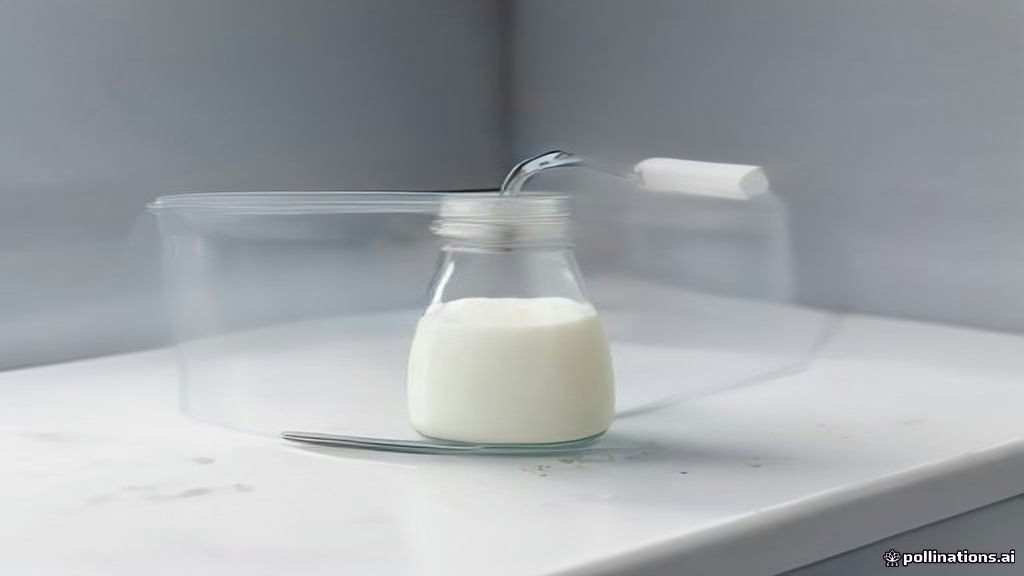
Dentists can sometimes reattach the original fragment, which gives the most natural-looking result. That only works if the piece is kept moist and brought to the appointment promptly, so storage matters.
| Cold milk | Best everyday option | Keeps the fragment moist and is gentle on tooth cells; use a small clean container. |
| Saliva (your own mouth or a spit cup) | Good | Better than dry storage; keep the piece in a clean cup of your own saliva. |
| Saline solution | Good | Clean and gentle; a good choice if you have it at home. |
| A tooth-preservation kit | Excellent if available | Sold at pharmacies; designed for dental emergencies. |
| Plain water | Only in a pinch | Better than letting the piece dry out, but prolonged soaking in water is not ideal. |
| Dry tissue, paper towel, or pocket | Avoid | Drying out damages the fragment and makes reattachment much less likely. |
Handle the fragment by its outer enamel surface, not by the broken inner surface, and rinse it only briefly. Bring it to your appointment in its container even if you are not sure it can be used — let the dentist decide.
What NOT to Do After Chipping a Tooth
Good intentions cause most of the avoidable damage after a chip. Avoid these common mistakes:
- Do not file or sand the tooth down yourself. Nail files, emery boards, and sandpaper can remove healthy enamel, expose more dentin, and turn a simple repair into a bigger one.
- Do not ignore a painless chip. Enamel does not grow back. A small chip can develop decay in the rough surface, catch food and plaque, or crack further under normal biting.
- Do not use household glue. Superglue and similar adhesives are toxic in the mouth, can damage tissue, and make proper repair harder.
- Do not chew on the chipped side. Even normal biting force can extend a crack, especially in a tooth that is already weakened.
- Do not use the tooth as a tool. No opening bottles, tearing packaging, or biting hard objects — the habits that chip teeth in the first place.
- Do not wait for pain to decide. Pain often arrives late, when decay or infection has already reached the nerve. A painless chip checked early is usually a quick, cheap fix.
- Do not assume the emergency room can fix it. Emergency departments can manage pain, bleeding, and jaw injuries, but they generally do not have dental equipment to repair a tooth. A same-day dentist visit is usually faster and actually solves the problem, unless there is a jaw fracture, uncontrolled bleeding, or breathing difficulty.
Is a Chipped Tooth a Dental Emergency?
Not every chip is an emergency, but every chip deserves a dentist’s assessment. The distinction is about timing, not about whether you need care at all.
Get same-day urgent care if you have: severe or worsening pain; swelling of the face or gum; a chip that exposes the nerve; a tooth that feels loose or has moved; bleeding that does not stop after 15 minutes of pressure; a fever alongside tooth pain; or a chip caused by a heavy blow with jaw pain or difficulty opening your mouth.
Book a prompt visit within a few days if you have: a small chip with no pain, no swelling, and no sharp edge cutting your mouth; mild sensitivity that settles quickly; or a rough edge you have safely covered with wax. Even here, do not let “a few days” slide into months — book the appointment now.
Go to the emergency department first if you have: a suspected broken jaw; uncontrolled bleeding; swelling that affects breathing or swallowing; a head injury; or a tooth knocked out along with other serious injuries. Once the medical emergency is handled, a dentist can repair the tooth.
Children, Baby Teeth, and Braces: Special Cases
If your child chips a tooth
Stay calm for them, check for other injuries from the fall, and follow the same first steps: rinse, save the fragment, cover a sharp edge, and call a dentist the same day. Baby teeth matter even though they fall out eventually — they hold space for adult teeth, help with chewing and speech, and an infected baby tooth can affect the adult tooth developing underneath. Do not assume a chipped baby tooth can simply be left alone; a dentist needs to check whether the nerve is affected.
If the chip is on a baby tooth
Small chips on baby teeth are often smoothed or bonded, and a badly damaged baby tooth may be crowned to keep it functional until it falls out naturally. For back baby teeth with large damage, dentists often use stainless steel crowns — you can read how those silver caps work and why dentists choose them in our guide to why dentists put silver caps on teeth (why dentists put silver caps on teeth). The goal is always the same: keep the tooth comfortable and in place until its natural time to go.
If you wear braces or a retainer
Tell both your dentist and your orthodontist. A chip can change how a bracket or wire sits, and orthodontic treatment may need a pause or adjustment while the tooth is repaired. Do not try to fix a bent wire yourself beyond covering a poking end with orthodontic wax, and bring your retainer or aligner to the appointment if the dentist asks for it.
How a Dentist Fixes a Chipped Tooth
Treatment depends on the size and location of the chip, which tooth it is, and whether the nerve is involved. Your dentist will usually take an X-ray first to check for hidden cracks or nerve damage that are not visible from the outside.
| Smoothing and polishing | Tiny enamel-only chips | Gently rounding the rough edge | Often a single short visit. |
| Reattaching the fragment | Clean break with a saved piece | Bonding the original piece back on | Usually one visit. |
| Dental bonding | Small to medium chips, especially front teeth | Tooth-colored resin shaped to the tooth and hardened with a light | Usually one visit, around 30–60 minutes. |
| Filling | Chips with decay or a small cavity | Removing damaged material and filling the area | Usually one visit. |
| Veneer | Larger front-tooth chips, cosmetic concerns | A thin porcelain shell bonded to the front of the tooth | Usually two visits. |
| Crown (cap) | Large chips, weakened or cracked teeth | A cover fitted over the whole visible tooth | Usually two visits. |
| Root canal + crown | Chip reaching the nerve, or infection | Removing the damaged nerve, then crowning the tooth | Multiple visits. |
| Extraction + replacement | Tooth cracked below the gumline and unsavable | Removing the tooth, then an implant, bridge, or partial denture | Planned over several visits. |

Bonding is the most common fix for a straightforward chip: it is quick, painless, tooth-colored, and does not require drilling much healthy tooth away. Its trade-off is durability — bonding can stain or chip again over several years, especially if you bite hard objects, and it may need touching up. Veneers and crowns last longer and look very natural, but they cost more, remove more tooth structure, and usually need a second visit while a lab makes the restoration. Costs and durability vary widely by tooth, material, and location, so ask your dentist for the options and their trade-offs rather than choosing on price alone.
A crown deserves a special note: when a tooth has lost a large portion of its structure, a filling or bonding simply is not strong enough to withstand biting forces. A crown covers the whole visible tooth, protects it from further fracture, and restores its full function. That is why dentists recommend crowns for large chips even when bonding would look fine on day one — the crown is the repair that lasts.
What to Tell Your Dentist When You Call
A two-minute phone call goes much better if you have these details ready:
- When and how it happened — a fall, sport, biting something hard, or a tooth that broke while eating.
- Which tooth, and roughly how much broke off.
- Whether you saved the fragment, and how you stored it.
- Pain level now, and what triggers it — cold, heat, air, biting, or nothing at all.
- Any bleeding, swelling, looseness, or change in the tooth’s position.
- Whether you wear braces, a retainer, or a night guard.
- Any medical conditions or medicines your dentist should know about, especially blood thinners.
Bring the fragment, a list of your medicines, and your dental insurance details if you have them. If you have dental anxiety, say so — practices deal with nervous patients every day and can explain each step before they do it.
After the Repair: Recovery and What to Watch For
Most chip repairs need little recovery time. You can usually eat normally the same day, though your dentist may advise avoiding very hard foods on a newly bonded tooth for a day or two. Mild sensitivity to cold for a few days after bonding or a crown is common and usually settles. Call your dentist again if you notice any of these after treatment:
- Pain that gets worse instead of better, or throbbing that wakes you at night
- Sensitivity that lasts more than a couple of weeks, or gets sharper over time
- Swelling, a bad taste, or a small bump on the gum near the tooth
- A repaired edge that feels rough, high when you bite, or catches your tongue
- The bonding or crown feeling loose, or a piece breaking off again
These can be signs of nerve irritation, a bite that needs adjusting, or an infection developing under the repair. Early adjustment is usually quick; leaving it can turn a simple fix into a root canal.
How to Stop It Happening Again
You cannot prevent every accident, but most chipped teeth come from a handful of avoidable causes:
- Wear a mouthguard for contact sport. A custom-fitted guard protects far better than a boil-and-bite one, but any guard beats none.
- Do not use your teeth as tools. Bottles, packaging, tags, and thread all chip teeth eventually.
- Be careful with very hard foods. Ice, unpopped popcorn kernels, hard candy, and bones are classic culprits — and so is biting down unexpectedly on a hard object hidden in food.
- Treat teeth grinding. If you grind or clench, especially at night, ask your dentist about a night guard. Grinding weakens enamel over years and makes chips far more likely.
- Do not ignore old fillings or decay. A tooth weakened by decay or a large old filling breaks more easily, so regular check-ups catch weak spots before they snap.
- Protect children’s teeth during play. Mouthguards for sport, helmets for cycling, and a quick check of playground surfaces all reduce dental injuries.
Frequently Asked Questions
Will a chipped tooth heal on its own?
No. Unlike bone, tooth enamel does not regenerate. A chip will not grow back, and it will not get smaller. Small chips can stay stable for a while, but they remain vulnerable to decay and further cracking until a dentist repairs them.
Can I wait a few weeks if it does not hurt?
You should not. A painless chip can still have exposed dentin that decays silently, and a rough surface collects plaque. Book within days, even if the chip feels fine — the fix is usually much simpler when it is caught early.
Can a dentist glue my own broken piece back on?
Sometimes, yes. If the fragment is large, the break is clean, and the piece was kept moist and brought promptly, your dentist may bond it back in place. It does not work for every chip — small fragments and crumbled breaks usually cannot be reattached — but it is always worth bringing the piece.
Is a chipped tooth the same as a cracked tooth?
Not quite. A chip is a piece broken off the tooth, usually from the edge. A crack is a fracture line running through the tooth, which may not have a missing piece at all. Cracks can be more serious because they can extend below the gumline, and they often need a crown. Your dentist can tell the difference with an examination and X-ray.
What if I chip a tooth at night or on a weekend?
Follow the first-aid steps above, cover any sharp edge, avoid chewing on that side, and call your dentist’s emergency line or an emergency dentist service. Many practices have an out-of-hours number, and dental pain that worsens overnight, swelling, or uncontrolled bleeding should not wait until Monday.
Does chipped tooth repair hurt?
Usually not much. Smoothing and bonding are generally painless and often need no anaesthetic at all. Larger repairs, crowns, and root canals use local anaesthetic, so you should feel pressure rather than pain. Tell your dentist if you are anxious — they can go slowly and explain each step.
How long does bonding last on a chipped tooth?
Bonding typically lasts several years with normal care, but it is not as hard as natural enamel. Biting hard objects, grinding, and staining foods and drinks shorten its life. Your dentist will check it at routine visits and can polish or replace it when needed.
Can a chipped baby tooth affect the adult tooth underneath?
Yes, potentially. An untreated chip on a baby tooth can lead to infection that affects the developing adult tooth, and losing a baby tooth too early can cause crowding. That is why dentists check chipped baby teeth rather than simply waiting for them to fall out.
The Bottom Line
If you chipped your tooth, the right response is simple: stay calm, rinse, save the piece, cover the sharp edge, manage pain sensibly, and call your dentist the same day. Small chips are usually fixed quickly and painlessly; large or painful chips need same-day care, and the rare cases involving jaw injury or uncontrolled bleeding need emergency medical attention first. What you do in the first hour — especially keeping the fragment moist and not trying home repairs — can make the dentist’s job easier and the result look more natural. Do not wait for pain to tell you it is serious. Book the appointment, bring the fragment, and let a dentist decide what the tooth needs.
This article is general information only and is not medical or dental advice. If you have chipped your tooth, contact a qualified dentist promptly for an examination — especially if you have pain, swelling, bleeding, or a loose tooth.

1 Comment