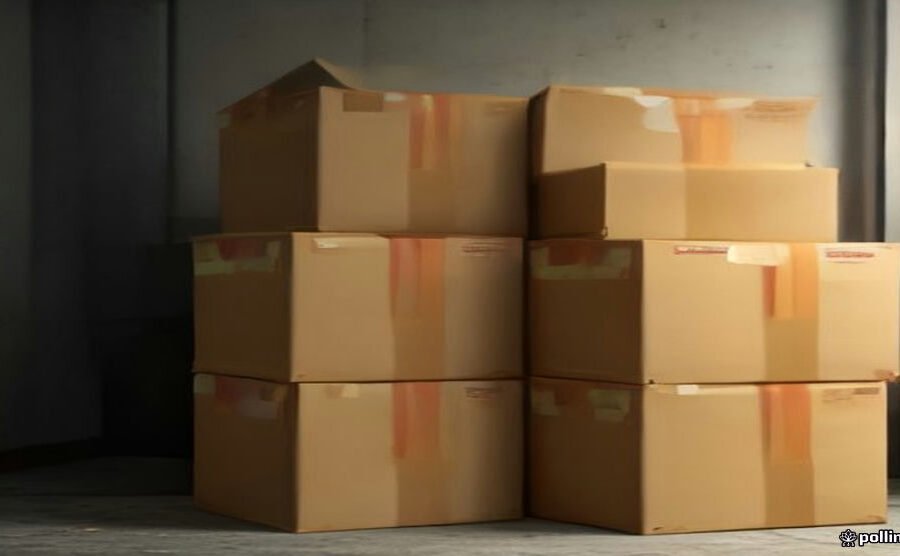
How many bags in a ton of pellets? 50 bags. A US short ton weighs 2,000 pounds, and the standard wood pellet bag weighs 40 pounds, so 2,000 ÷ 40 = 50. When you buy a full pallet of pellets, you are almost always buying exactly one ton: 50 forty-pound bags, stacked, wrapped, and sold as a single unit. That simple answer comes with a few important exceptions. Smaller 20- or 30-pound bags change the count, a metric ton (2,204 pounds) holds about 55 forty-pound bags, and some brands sell 15-kilogram or 25-kilogram bags that do not divide neatly into a US ton at all. This guide covers the exact math for every bag size, what a ton pallet actually looks like in your garage, what it costs, how long it lasts, and how many tons you need for a whole heating season — so you never overbuy, underbuy, or run out in the middle of a cold snap.
The Simple Math: Why a Ton Means 50 Bags
The wood pellet industry settled on the 40-pound bag for a practical reason: it is about the heaviest bag most people can comfortably lift, carry, and pour into a pellet stove hopper without help. Manufacturers then built the rest of the supply chain around that bag. The calculation is straightforward division: 1 US short ton = 2,000 pounds; 1 standard bag = 40 pounds; 2,000 ÷ 40 = 50 bags. That is why dealers talk about pellets by the ton and by the pallet almost interchangeably. A pallet is not a vague bulk amount — it is a precisely counted unit of 50 bags, and its total weight is checked against the advertised ton. If you count the bags on a delivered pallet and find 48 or 52, something is wrong, and you should raise it with the supplier before you sign for the delivery. It is also worth knowing what a ton of pellets replaces, because that puts the number in context. One ton of wood pellets delivers roughly the same heat as about 1.5 cords of firewood or around 120 to 130 gallons of heating oil, depending on pellet quality and stove efficiency. That comparison is one reason pellet heat appeals to people switching away from oil or firewood: the fuel arrives in clean, uniform, easy-to-handle bags instead of a loose pile or a tanker delivery.
How Bag Size Changes the Count
Not every pellet bag weighs 40 pounds. Smaller bags exist for people who find 40 pounds too heavy, and larger or metric-sized bags show up with imported brands. The table below gives the exact count for every common bag size, so you can work out any deal in seconds.
| Bag weight | Bags in a US ton (2,000 lb) | Bags in a metric ton (2,204 lb) | Who usually buys it |
|---|---|---|---|
| 20 pounds | 100 | 110 | People who want a lighter lift, or small stoves with small hoppers |
| 30 pounds | 67 (66.67, rounded up) | 73 | A compromise size offered by some brands |
| 40 pounds | 50 | 55 | The standard — nearly every US pallet |
| 15 kilograms (33 lb) | 61 | 67 | Common with imported European pellets |
| 25 kilograms (55 lb) | 36 | 40 | Bulk-style bags, mostly outside the US |
A few things to note about this table. First, you cannot buy two-thirds of a bag, so a 30-pound bag gives you 66 full bags plus a partial one — in practice, dealers round up to 67 bags to reach a full ton. Second, the metric-ton column matters if you buy imported pellets: a “ton” from a European supplier may mean 1,000 kilograms (2,204 pounds), which is 10 percent more fuel than a US ton. Always check which ton a price quote means before comparing prices, or you will compare a 2,000-pound price with a 2,204-pound price and draw the wrong conclusion. The practical takeaway is simple: before you order, read the bag weight on the label. The number of bags in your ton is just the ton weight divided by that bag weight — and if the answer is not a round number, the dealer should be able to tell you exactly how many bags are on the pallet.
Short Ton vs. Metric Ton: The Trap That Changes the Price
Most US buyers never think about which ton they are buying, because domestic suppliers all use the short ton of 2,000 pounds. The confusion starts with imported pellets and online listings that quote prices “per ton” without saying which ton.
- US short ton: 2,000 pounds = 50 bags of 40 pounds.
- Metric ton (tonne): 1,000 kilograms = about 2,204 pounds = about 55 bags of 40 pounds.
- UK long ton: 2,240 pounds = 56 bags of 40 pounds — rare in pellet sales, but it still appears in some older UK listings.
The difference between a short ton and a metric ton is 204 pounds, or roughly five extra 40-pound bags. That is a 10 percent difference in fuel for the same quoted price, which can easily flip which supplier is actually cheaper. If a deal looks suspiciously cheap, check whether it is priced per metric ton — or whether the bag weight is smaller than 40 pounds and the bag count has been padded to look like a bargain. A good habit: convert every quote to a price per pound before comparing. Divide the total price by the total weight in pounds, and the cheapest fuel per pound wins, whatever the bag count or the word “ton” on the listing says.
What a Ton Pallet Actually Looks Like (and Where to Put It)
A full ton of pellets is a serious physical object, and many first-time buyers underestimate it. Knowing the size before delivery day saves you from a pallet sitting in the driveway in the rain. A standard 50-bag pallet measures about 40 inches by 48 inches at the base and stands roughly 4 feet high once stacked and wrapped — about 40 cubic feet of volume, or roughly a 4-foot cube. It weighs a full ton, so it needs a solid, level surface: a garage floor, a concrete pad, or a shed floor. It will not sit safely on soft ground, and a delivery driver with a pallet jack cannot wheel it across gravel or grass. Storage rules matter as much as space, because pellets are compressed sawdust held together without glue — moisture is their enemy. A bag that gets wet swells, crumbles, and can jam your stove’s auger.
- Keep pellets dry above all else. Store them indoors or under a waterproof cover, off the ground on a pallet or shelving, away from walls where condensation forms.
- Do not break the wrap until you need a bag. The plastic wrap on a pallet is your best moisture barrier; open one side at a time as you work through the stack.
- Stack no more than one pallet high unless you have proper racking — a second ton on top of the first can crush the lower bags.
- Leave airflow around the stack. A few inches of gap from the wall helps the bags stay dry and lets you spot leaks early.
- Rotate your stock. Use last season’s leftover bags before this season’s delivery, and check older bags for dampness or a swollen, crumbly feel before pouring them into the hopper.
If you do not have room for a full pallet, that is fine — most dealers also sell individual bags, usually for a higher per-bag price. Buying by the bag makes sense if you only use a pellet stove occasionally, or if you want to try a new brand before committing to a ton.
How Much Does a Ton of Pellets Cost?
Pellet prices move with the season, the region, and the brand, so treat any single figure as a range, not a promise. As a current guide for the US market, a ton of wood pellets typically costs $250 to $400, with individual 40-pound bags running about $6 to $10 each. Bulk pallet purchases often come in at the lower end of that range — some dealers offer pallet pricing around $240 to $280 per ton — because the dealer saves on handling and delivery.
- Season: prices peak in late autumn and mid-winter, when demand is highest, and are usually lowest in spring and summer when dealers clear stock.
- Pellet quality: premium pellets with low ash content (under 0.5 percent) and high heat output (around 8,000 to 8,500 BTU per pound) cost more, but they also burn cleaner, leave less ash to clean out, and can reduce stove maintenance.
- Wood type: hardwood and softwood pellets both heat well; softwood pellets often burn slightly hotter, while hardwood pellets may leave a little more ash. Brand and manufacturing quality matter more than the wood species alone.
- Delivery: a pallet delivered to your driveway costs more than one you collect yourself, and some dealers add a surcharge for difficult access or for carrying bags inside.
- Region: prices are usually lower near pellet mills in the Northeast and Pacific Northwest, and higher where pellets must be trucked long distances.
To compare deals fairly, always work out the price per bag and the price per pound, and check whether delivery is included. A $300 ton with free delivery beats a $280 ton with a $60 delivery fee — and both beat a cheap-looking ton made of smaller bags.
How Long Does a Ton of Pellets Last?
A ton lasts longer than most new pellet stove owners expect, but the range is wide because it depends on how hard your stove works. The key numbers: One 40-pound bag typically provides 12 to 24 hours of steady heat, depending on the stove’s heat setting and how cold it is outside. One ton (50 bags) therefore lasts roughly 50 to 100 days at one bag per day — but heavy winter use can push consumption to two bags a day, cutting a ton to about a month. A typical home using a pellet stove as its main heat source burns through 2 to 5 tons per heating season, or 100 to 250 bags. That range is so wide because home size, insulation, climate, and stove efficiency all matter. A well-insulated 1,200-square-foot home in a mild climate might get through winter on 2 tons, while a draughty 2,500-square-foot home in a cold climate could need 5.
| Home situation | Estimated tons per season | Estimated bags per season |
|---|---|---|
| Small, well-insulated home, mild climate, supplemental heat | 1–2 tons | 50–100 bags |
| Average home, pellet stove as main heat, moderate climate | 2–3 tons | 100–150 bags |
| Larger home, cold climate, pellet stove as main heat | 3–5 tons | 150–250 bags |
| Large or poorly insulated home, harsh winters | 5+ tons | 250+ bags |
One practical tip: buy your first season’s supply in stages if you are unsure. Start with one ton, track how many bags you use per week in the coldest month, and multiply by the length of your heating season. That single measurement tells you more about your real needs than any general table can.
Buying Tips: Ton, Pallet, or Bag by Bag?
Buying a full ton (or several tons) is almost always cheaper per bag than buying individually, because the dealer saves on handling and you save on repeated trips. But bulk is only a bargain if you can store it properly and use it before it degrades. Pellets stored dry keep well for a season or two, but bags left damp or outdoors will not survive until next winter.
- Buy by the ton if you heat with pellets all winter, have dry indoor storage for a pallet, and want the lowest per-bag price.
- Buy by the bag if you use the stove occasionally, have no pallet space, or want to test a new brand’s ash level and heat output first.
- Buy early if you can: spring and summer prices are usually lower, and early delivery avoids the autumn rush when dealers run low.
- Check the label before you pay: bag weight, pellet grade (premium or standard), ash content, and total bag count on the pallet. If any of those are missing, ask.
- Count the pallet on delivery — 50 bags for a standard ton — and check the wrap for tears or water damage before you sign.
A final warning that many guides skip: never mix a bad batch into a good one hoping it will even out. Damp, swollen, or crumbly pellets can jam the auger and shut the stove down on the coldest night of the year. If a bag feels soft, smells musty, or pours out as dust instead of firm cylinders, throw it away — one wasted bag is far cheaper than a stove repair.
Frequently Asked Questions
How many 40 lb bags are in a ton of pellets?
Exactly 50. A US short ton is 2,000 pounds, and 2,000 divided by 40 is 50. This is the standard pallet configuration sold across the United States.
How many bags are in a metric ton of pellets?
About 55 bags of 40 pounds, because a metric ton weighs 2,204 pounds. If you buy imported pellets quoted per metric ton, you are getting about five extra bags compared with a US ton.
How many bags of pellets do I need for winter?
Most homes using a pellet stove as their main heat source need 100 to 250 bags (2 to 5 tons) for a full heating season. Smaller or better-insulated homes need fewer; larger or colder homes need more. Track your own weekly use in the coldest month for the most accurate estimate.
How long does one bag of pellets last?
A 40-pound bag usually lasts 12 to 24 hours of continuous burning. On a low setting in mild weather it can stretch further; on a high setting in a cold snap it may last under a day.
Is it cheaper to buy pellets by the ton or by the bag?
By the ton, in almost every case. Pallet pricing typically works out to $240 to $400 per ton, while individual bags cost $6 to $10 each — so 50 bags bought singly usually cost more than a pallet, before you count the extra trips.
How much space does a ton of pellets take up?
About 40 cubic feet: a pallet roughly 40 by 48 inches at the base and about 4 feet high. Plan for a dry, level indoor spot of at least that size, with a little extra room to move around the stack.
Do wood pellets go bad?
Pellets stored dry, indoors, and in their sealed bags keep well for a season or more. Moisture is the real enemy: wet pellets swell, crumble, and can jam your stove. Keep them off the ground, under cover, and away from damp walls.
The Bottom Line
How many bags in a ton of pellets? 50 bags of 40 pounds — or 100 bags of 20 pounds, 67 bags of 30 pounds, and about 55 forty-pound bags if your supplier means a metric ton. The math is simple division, but the money is in the details: check the bag weight, confirm which ton the price means, compare the price per pound, and make sure you have dry storage for a 4-foot pallet before the truck arrives. Get those four things right, and a ton of pellets is one of the most predictable heating purchases you can make — clean, countable, and easy to budget for all winter.
