
Quick Answer
Yes, you can drink cold water after wisdom teeth removal — once the numbness from the anaesthetic has worn off, usually 1 to 2 hours after surgery. Sip it slowly from an open cup, on the side opposite the extraction site, and never through a straw. Cold water is not only safe, it can actually help: the mild cold soothes sore tissue and reduces swelling in the first 24 hours. What you must avoid in that first day is not the cold — it is suction, swishing, spitting forcefully, and extreme temperatures in either direction. Ice-cold water straight from the freezer is a different story from a cool glass of water, and the distinction matters. If cold water causes a sharp sting, switch to room-temperature water and try again in a day or two.
The Short Answer: Yes — Once the Numbness Wears Off
The first thing most people reach for after wisdom teeth surgery is a glass of water. Your mouth is dry, your throat is scratchy from the anaesthetic, and you are thirsty. That instinct is correct — hydration is one of the most important parts of recovery — but the timing and the technique matter more than the temperature.
Wait until the numbness wears off before you drink anything. That usually takes one to two hours. Drinking while your lips, tongue, and cheek are still numb is how people bite their own cheek or spill water down their chin without noticing, and you cannot feel whether the water is too cold against the surgical site. Once feeling returns, cold water is safe to sip.
The reason dentists are relaxed about cold water is simple: temperature alone does not dislodge a blood clot. The blood clot that forms inside the empty socket within the first hour after extraction is the single most important structure in your early recovery. It seals the exposed bone and nerve endings, and everything in your aftercare instructions exists to protect it. Suction pulls it out. Vigorous swishing and forceful spitting push it out. Heat softens and dissolves it. A cool glass of water, sipped gently from a cup, does none of those things.
That is why the strongest recovery protocols — the staged, day-by-day plans published by oral surgery practices — list cold water as safe in the very first 24 hours, alongside room-temperature water. The cold even helps: a mild chill constricts the tiny blood vessels around the socket just enough to limit swelling, and the cool sensation numbs the soreness in a way that feels genuinely good after surgery.
So the short answer is yes. The longer answer — the one that explains why some dentists say no, why ice water is different from cold water, and what to do when cold water hurts — is what the rest of this article covers.
Why the Advice Seems Contradictory
Search this question online and you will find dentists who appear to disagree with each other. One practice says cold water is safe immediately and helps swelling. Another says to avoid anything too cold for the first one or two days. A third warns that cold drinks cause vasoconstriction, reduce blood flow, and raise the risk of dry socket. All three are describing real effects — they are just weighting them differently, and none of them is talking about quite the same drink.
Here is what each camp is actually saying:
Camp 1: Cold water is safe and helpful. This is the position of the staged-recovery protocols used by oral surgery practices. Cold water is listed as safe in the first 24 hours because the temperature itself does not threaten the clot, and the mild cold reduces swelling and soothes pain. The conditions attached are always the same: sip slowly, use an open cup, no straw, no swishing, no spitting forcefully. Under those conditions, cold water is a zero-risk drink.
Camp 2: Avoid very cold drinks for 24 to 48 hours. This is the cautious position, and it is usually aimed at ice water rather than cold water. The concern is sensitivity: after extraction, the nerves and tissues around the socket are exposed and reactive, and an icy blast can trigger a sharp pain response. Some dentists also worry that patients who are in pain will gulp or swish the water around to soothe the area, and that motion — not the temperature — disturbs the clot. The advice is protective, and for people with sensitive teeth it is worth following.
Camp 3: Cold causes vasoconstriction and slows healing. This is the physiological argument. Cold narrows blood vessels, which reduces blood flow to the surgical site, and healing needs blood flow. That is true in principle, but the effect of a sip of cool water is brief and local — the tissue warms back up within seconds. No clinical evidence shows that drinking cold water causes dry socket. Dry socket is caused by the clot being dislodged or dissolving early, and the proven culprits are suction, smoking, vigorous rinsing, and infection — not a cold drink.
The practical takeaway is that the disagreement is mostly about ice water and about technique, not about a normal glass of cold water. If your surgeon told you to stick to room-temperature water for the first day, follow your surgeon’s instructions — they know your specific case. For everyone else, a cool glass of water, sipped gently, is safe as soon as the numbness fades.
Cold Water vs. Ice Water vs. Room-Temperature Water
The words “cold water” and “ice water” get used as if they mean the same thing. They do not, and the difference is the whole argument. Here is how the three options compare in the first 48 hours after extraction.
| Water temperature | First 24 hours | 24–48 hours | Why |
|---|---|---|---|
| Room-temperature water | Safest choice | Safe | Zero thermal, chemical, or pressure risk to the clot |
| Cold water (fridge-cold, no ice) | Safe, once numbness wears off | Safe | Mild cold reduces swelling and soothes soreness; sip slowly |
| Ice water (with ice cubes, near-freezing) | Avoid | Use with caution | Extreme cold can trigger sharp sensitivity and pain in exposed tissue |
| Ice chips or crushed ice | Avoid | Small amounts, if comfortable | Chewing or crunching ice can disturb the socket; let it melt instead |
| Hot water | Avoid | Avoid until 48 hours | Heat increases blood flow and can soften or dissolve the clot |
The rule of thumb is simple: if the water feels comfortable on the inside of your wrist, it is comfortable for your mouth. Fridge-cold water passes that test for most people. Water with ice cubes in it often does not, because the temperature drops close to freezing and the shock to the exposed socket is real.
Ice chips deserve a special mention. Some surgeons recommend letting a small ice chip melt in your mouth for swelling, and that is fine — melting is gentle. Crunching ice is not. Never chew ice after an extraction. The hard fragments can press directly into the socket, and the impact is exactly the kind of mechanical disturbance the clot cannot tolerate.
When Can You Drink Cold Water? The Day-by-Day Timeline
Recovery after wisdom teeth removal runs on a timeline, and what you can drink changes as the clot stabilises and the gum tissue starts to close. Here is the full picture, day by day.
| Recovery stage | Cold water | What else opens up | Still avoid |
|---|---|---|---|
| First 1–2 hours | Wait — numbness must wear off first | Nothing by mouth except as directed | All drinks, straws, spitting |
| First 24 hours | Yes — sip slowly from an open cup | Room-temperature water, cold strained broth, cooled herbal tea | Straws, hot drinks, alcohol, carbonation, acidic juice |
| 24–48 hours | Yes — more freely | Milk, seedless smoothies, protein shakes, coconut water | Straws, hot drinks, alcohol, carbonation |
| 48 hours–7 days | Yes — normal cold drinks | Warm (not hot) tea and coffee, electrolyte drinks, diluted non-acidic juice | Straws, alcohol, very hot liquids |
| 7–10 days | Yes — no restriction | Hot drinks, carbonated drinks, gentle straw use | Alcohol if still on prescription pain medication |
| 10+ days | Yes — all beverages | Everything, for uncomplicated extractions | Nothing, unless pain or swelling persists |
The first 24 hours are the most delicate because the clot has not fully stabilised. That is the window where technique matters most: small sips, no swishing, no spitting, no straw. By 48 hours the clot is far more secure, and by day 7 the gum tissue has usually closed over the socket in most patients. At that point the restrictions fall away, with one exception — if you are still taking prescription pain medication, keep avoiding alcohol until the course ends.
How to Drink Cold Water Safely After Extraction
Drinking cold water safely after wisdom teeth removal is a technique, not just a permission. Follow these seven rules and the risk drops to effectively zero.
1. Wait for the numbness to fade. One to two hours after surgery, feeling returns to your lips, tongue, and cheek. Do not drink before then. You need sensation to judge temperature and to control the water in your mouth.
2. Use an open cup or glass — never a straw. This is the single most important rule in all of post-extraction care. A straw creates suction, and suction pulls the blood clot out of the socket. Straws stay off-limits for a minimum of seven days, and longer if your extraction involved impacted teeth or bone removal. The temperature of the liquid does not change this risk — a straw is dangerous with cold water, warm water, or anything else.
3. Take small sips, not gulps. Small sips every few minutes keep you hydrated without creating pressure changes inside your mouth. Aim for steady hydration across the day rather than large glasses at once — roughly eight cups (64 ounces) of fluid per day supports healing, and small sips every 10 to 15 minutes are easier on a sore mouth than full glasses.
4. Drink on the opposite side. Tilt the glass so the water enters on the side away from the extraction site, and let it flow down without washing it across the socket. If all four wisdom teeth were removed, sip gently down the middle and let the water pass without swishing.
5. Do not swish, gargle, or spit forcefully. Swishing creates the same kind of pressure change as suction, and forceful spitting pushes against the clot. For the first 24 hours, let water drain from your mouth passively if you need to empty it, or simply swallow. After 24 hours you can begin gentle warm saltwater rinses — half a teaspoon of salt in eight ounces of warm water, after meals — and even then, tilt your head and let the rinse fall out rather than spitting hard.
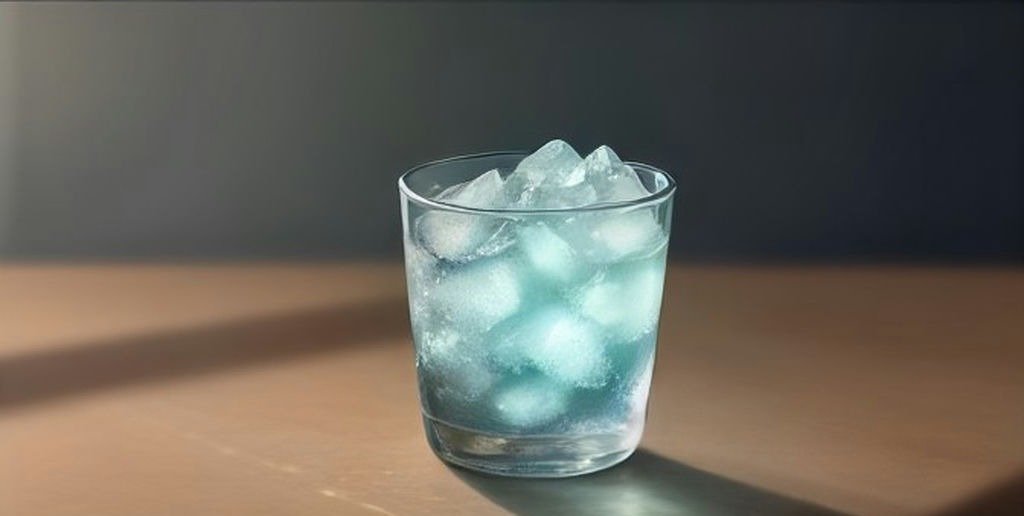
6. Keep it cool, not icy. Fridge-cold water is the sweet spot. If your tap water comes out very cold, let the glass sit for a few minutes. If you want ice in your drink, wait until after 48 hours, and even then remove the cubes before drinking rather than letting them press against the socket.
7. Stop if it stings — and try again later. A brief twinge of cold sensitivity is common and harmless. A sharp, lingering pain is your body telling you the tissue is not ready. Switch to room-temperature water and try cold water again in a day or two. Sensitivity fades as the socket heals.
What Else Can You Drink? The Safe List
Cold water is the safest drink after wisdom teeth removal, but it is not the only one. Once you move past the first day, you need calories and variety, and some drinks help recovery more than others.
| Drink | When it is safe | Notes |
|---|---|---|
| Water (room temperature or cold) | Immediately, once numbness fades | The only zero-risk drink in the first 24 hours |
| Cold strained broth | First 24 hours | Cool to room temperature or slightly below; strain out all chunks |
| Cooled herbal tea (decaffeinated) | First 24 hours | Must be fully cooled, not warm; chamomile is a popular choice |
| Milk | After 24 hours | Cold milk is soothing and adds calories and protein |
| Seedless smoothies | After 24 hours | Banana, mango, avocado, yoghurt; avoid berries with small seeds |
| Protein shakes | After 24 hours | Whey or plant-based, mixed with cold milk or water |
| Coconut water | After 24 hours | Natural electrolytes without carbonation |
| Electrolyte drinks | After 48 hours | Helpful if nausea limited your fluid intake; avoid carbonated versions |
| Warm tea or coffee | After 48 hours | Warm, not hot — test on the inside of your wrist first |
| Diluted non-acidic juice | After 48 hours | Apple or pear juice, diluted; avoid citrus until day 7 |
And the drinks to keep avoiding, with their waiting periods: hot coffee and tea for at least 48 hours, because heat increases blood flow and can dissolve the clot; carbonated drinks for seven days, because the bubbles mechanically agitate the clot surface; acidic juices such as orange or grapefruit for at least 48 hours, because acid irritates exposed tissue; and alcohol for seven to ten days, because it thins the blood, weakens the clot, and interacts dangerously with prescription pain medication. Opioids combined with alcohol increase sedation and can slow breathing. NSAIDs such as ibuprofen combined with alcohol increase the risk of stomach bleeding.
Cold Water and Dry Socket: What Actually Causes It
Dry socket — alveolar osteitis — is the complication everyone fears after wisdom teeth removal, and it is the reason every drinking rule exists. Understanding what actually causes it takes the fear out of a glass of cold water.
A dry socket happens when the blood clot in the extraction site is dislodged or dissolves before the wound has healed, leaving the bone and nerves exposed to air, food, and bacteria. The pain is severe and radiating, often spreading toward the ear and jaw, and it typically starts two to four days after the extraction. It does not heal on its own — treatment means a return to the dentist, who irrigates the socket and places a medicated dressing, usually eugenol-soaked gauze, to protect the bone while new tissue forms. A dry socket adds seven to ten days to the total recovery timeline.
The American Dental Association identifies dry socket as the most common post-extraction complication, occurring in about 2 to 5 percent of routine extractions — and in up to 30 percent of impacted lower wisdom tooth extractions. That last number is why surgeons are extra cautious with impacted teeth.
Here is what actually causes a dry socket, ranked by how much it matters:
| Cause | Risk level | How it dislodges the clot |
|---|---|---|
| Straws and suction | High | Negative pressure pulls the clot off the socket wall |
| Smoking and vaping | High | Suction plus chemicals that constrict blood vessels and delay healing |
| Vigorous rinsing or spitting | High | Pressure changes and mechanical force push the clot out |
| Hot liquids | Moderate | Heat softens and dissolves the clot matrix |
| Infection | Moderate | Bacteria break down the clot from underneath |
| Carbonated drinks | Low–moderate | Bubbles agitate the clot surface |
| Cold water, sipped gently | Negligible | No suction, no heat, no pressure — nothing to dislodge the clot |
Notice what is at the bottom of that list. Cold water does not appear among the causes of dry socket in any clinical guidance, because there is no mechanism for it. Temperature does not pull a clot out of a socket. Suction does. That is why every dentist agrees about straws while disagreeing about cold water: the straw is the danger, and the water was never the problem.
The one genuine cold-related risk is indirect. If cold water hurts, people instinctively swish it around to spread the sensation, or spit it out forcefully — and that motion is what threatens the clot. So the rule is not “avoid cold water.” The rule is “drink cold water without swishing or spitting.”
When Cold Water Hurts: Sensitivity or a Warning Sign?
Cold sensitivity after wisdom teeth removal is common, and most of the time it is harmless. The tissue around the socket is inflamed, the neighbouring teeth may be tender from the procedure, and the nerves are closer to the surface than usual. A sip of cold water can produce a sharp twinge that fades within seconds. That is normal, and it improves day by day as the socket closes.
But not all pain is the same. Here is how to tell the difference between ordinary sensitivity and something that needs a dentist.
| Symptom | Likely meaning | What to do |
|---|---|---|
| Brief sharp twinge that fades in seconds | Normal cold sensitivity | Switch to room-temperature water; try cold again in a day or two |
| Dull ache after drinking that fades in minutes | Tissue inflammation | Normal healing; keep sipping gently and stay hydrated |
| Pain that starts 2–4 days after surgery and gets worse | Possible dry socket | Call your dentist — do not wait for it to pass |
| Throbbing pain radiating to the ear or jaw | Possible dry socket | Call your dentist the same day |
| Bad taste or foul smell from the socket | Possible infection or dry socket | Call your dentist the same day |
| Swelling that increases after day 3 instead of decreasing | Possible infection | Call your dentist the same day |
| Fever above 101°F (38.3°C) | Possible infection | Call your dentist or seek urgent care |
| Bleeding that restarts and will not stop after 30 minutes of pressure | Clot disruption | Bite gently on damp gauze and call your dentist |
The timing is the clearest clue. Sensitivity is worst in the first day or two and steadily improves. Dry socket pain does the opposite: the first day or two feel manageable, then pain arrives or worsens around day two to four and keeps intensifying. If your pain is getting worse instead of better after the second day, that is the signal to call — regardless of what you have been drinking.
If cold water stings, do not force it. Room-temperature water hydrates just as well, and there is no prize for tolerating discomfort. Try cold water again after 48 hours, when the clot is more stable and the tissue has calmed. Most people find the sensitivity gone by day three or four.
Special Cases: Impacted Teeth, Stitches, and All Four Removed
Not every wisdom tooth extraction is the same, and the harder the extraction, the more careful you should be with everything you drink — cold water included.
Impacted teeth. When a wisdom tooth is trapped under bone or gum tissue, the surgeon must remove bone and sometimes cut the tooth into sections before extracting it. The socket is larger, the tissue trauma is greater, and the dry socket risk rises sharply — up to 30 percent for impacted lower third molars. Your surgeon may extend the straw ban beyond seven days and ask you to stick to room-temperature water for the first 48 hours. Follow that advice. The cold water will still be there in two days.
Stitches. If your extraction site was stitched closed, cold water is still safe, but be even more careful about swishing. The stitches hold the gum tissue together while it heals, and any forceful motion in the mouth can tug at them. Sip gently, let water drain passively, and do not probe the stitches with your tongue.
All four wisdom teeth removed. With sockets on both sides, there is no “safe side” to drink on. Sip straight down the middle, in small amounts, and let the water pass without washing it across either socket. Hydration matters even more here, because four extraction sites mean more swelling and a longer recovery — keep a glass of cool water beside you and sip every 10 to 15 minutes through the day.
Sedation and general anaesthesia. If you were sedated or put under general anaesthesia, the numbness may last longer and you may feel groggy for hours. Wait until you are fully alert before drinking anything, and have someone with you for the first glass. Nausea is common after anaesthesia — small sips of cool water are often easier on the stomach than large glasses, and if water triggers nausea, try cold strained broth or an electrolyte drink instead.
People with already-sensitive teeth. If your teeth were sensitive to cold before the extraction, they will be more sensitive after it. Start with room-temperature water for the first 24 to 48 hours and introduce cold water gradually. Sensitivity toothpaste used before surgery can help, but do not start any new product near the socket without asking your dentist.
Cold Water, Saltwater Rinses, and Your Medication
Cold water does not exist in isolation during recovery — it sits alongside saltwater rinses and pain medication, and the timing of all three matters.
Saltwater rinses begin after the first 24 hours. Mix half a teaspoon of salt into eight ounces of warm water, and rinse gently after every meal and after drinking anything other than plain water. The rinse clears food particles and sugar from the socket without the force of brushing near the site. Use warm water for the rinse, not cold — the warmth soothes the tissue and dissolves the salt properly. And remember the technique: tilt your head, let the water move slowly, and let it fall out of your mouth on its own. Never spit forcefully.
Once you are cleared to brush and floss again — usually after the first few days, and always away from the socket — pay attention to how your gums feel. Some people notice their gums itch when they start flossing again after days of avoiding the area, and that itching usually means the gums are healing or mildly inflamed rather than infected. If you are curious about what that itching means and when it is a warning sign, read our guide on why your gums itch when you floss.
Pain medication works better when you are hydrated. Opioid painkillers in particular cause dehydration and constipation, and their side effects get worse when fluid intake drops. Take each dose with a full glass of water — cold or room temperature, whichever feels better — and keep sipping through the day. If nausea from the medication makes drinking difficult, take small sips every 10 to 15 minutes rather than full glasses, and try cold water first: many people find cold fluids easier on a nauseated stomach than warm ones.
Antibiotics, when prescribed, also need water. Take them exactly as directed, finish the full course even if you feel better, and do not use alcohol at any point during the course — alcohol and antibiotics are a bad combination on their own, and the blood-thinning effect adds a second reason to wait.
Your 7-Day Drink Plan
Putting it all together, here is a simple day-by-day plan you can follow without thinking about it.
| Day | Cold water | Best drinks | Avoid |
|---|---|---|---|
| Day 0 (surgery day) | After numbness fades, small sips | Room-temp water, cold strained broth, cooled herbal tea | Straws, hot drinks, alcohol, soda, citrus juice |
| Day 1 | Yes, sipped slowly | Water, broth, cooled herbal tea | Straws, hot drinks, alcohol, soda, citrus juice |
| Day 2 | Yes, more freely | Add milk, seedless smoothies, protein shakes, coconut water | Straws, hot drinks, alcohol, soda |
| Day 3 | Yes | Add warm tea, warm coffee, electrolyte drinks | Straws, alcohol, very hot liquids |
| Day 4–6 | Yes | Same as day 3; diluted non-acidic juice | Straws, alcohol, very hot liquids |
| Day 7 | Yes, no restriction | Hot drinks and carbonation return | Alcohol if still on pain medication |
| Day 8–10 | Yes | Everything, for uncomplicated extractions | Nothing, unless pain or swelling persists |
Keep this plan on your fridge for the first week. It is deliberately conservative — if your surgeon gave you different instructions, theirs win. Every mouth heals differently, and your surgeon’s advice is tailored to your extraction, not to the average case.
Frequently Asked Questions
Can I drink cold water right after wisdom teeth removal?
Not immediately. Wait until the numbness from the anaesthetic wears off, usually one to two hours after surgery. Then you can sip cold water slowly from an open cup. Do not use a straw, do not swish, and do not spit forcefully.
Does cold water cause dry socket?
No. Dry socket is caused by the blood clot being dislodged or dissolving early. The proven causes are suction from straws, smoking, vigorous rinsing, and infection. Cold water, sipped gently from a cup, creates no suction and no pressure, so it does not cause dry socket.
Is ice water the same as cold water after extraction?
No. Fridge-cold water is safe once the numbness wears off. Ice water — water with ice cubes, close to freezing — can trigger sharp sensitivity in the exposed socket, so most dentists recommend avoiding it for the first 24 to 48 hours. Let ice melt in your mouth instead of crunching it, and never chew ice.
How long should I wait before drinking cold water?
One to two hours, until the numbness fades. After that, cold water is safe for the entire recovery, as long as you sip it gently and skip the straw. If it stings, switch to room-temperature water and try again in a day or two.
Can I drink cold water through a straw?
No — and this is the rule that matters most. Straws are off-limits for a minimum of seven days after wisdom teeth removal, regardless of what you are drinking. The suction from a straw can pull the blood clot out of the socket and cause a dry socket. Drink everything from an open cup.
What should I drink instead of cold water?
Room-temperature water is the safest alternative and hydrates just as well. Cold strained broth and cooled decaffeinated herbal tea are also safe in the first 24 hours. After 24 hours you can add milk, seedless smoothies, protein shakes, and coconut water.
When can I drink hot coffee after wisdom teeth removal?
Wait at least 48 hours, and even then drink it warm rather than hot. Heat increases blood flow to the surgical site and can soften or dissolve the blood clot. Test the temperature on the inside of your wrist first — if it feels hot there, it is too hot for your mouth.
Why does cold water hurt after wisdom teeth removal?
The tissue around the socket is inflamed and the nerves are exposed, so cold triggers a sharp sensitivity response. This is normal and fades as the socket heals, usually within three to four days. If the pain is severe, starts two to four days after surgery, or radiates to your ear, call your dentist — that pattern suggests dry socket, not sensitivity.
Can I drink cold water if all four wisdom teeth were removed?
Yes. Sip small amounts straight down the middle of your mouth, without swishing, and let the water pass without washing it across either socket. Staying hydrated matters even more with four extraction sites, so keep water beside you and sip every 10 to 15 minutes.
What drinks should I avoid completely after wisdom teeth removal?
In the first week, avoid alcohol for seven to ten days, carbonated drinks for seven days, and hot drinks for 48 hours. Avoid acidic juices such as orange juice for at least 48 hours. And avoid drinking anything through a straw for at least seven days.
This article is for general information only and is not a substitute for your dentist’s or oral surgeon’s instructions. Always follow the specific aftercare advice you were given — it is tailored to your extraction. If you develop worsening pain, swelling, fever, or bleeding that will not stop, contact your dentist promptly.
